
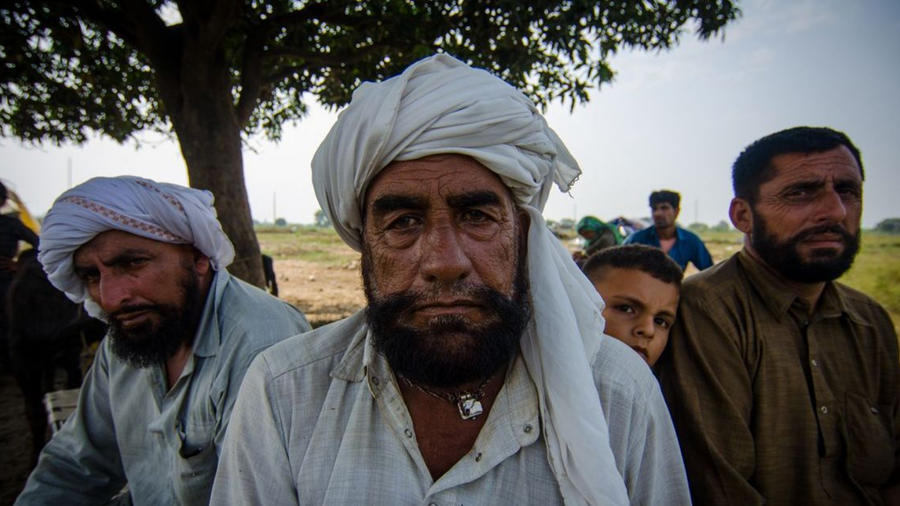
Located at the foothills of the Himalayas, Jammu is renowned for its breathtaking natural beauty and diverse cultural traditions. Yet, beneath this scenic beauty lies a silent epidemic—hearing loss in Jammu—that affects entire communities, particularly in remote villages like Dhadkai. Here, up to 80% of residents live with some form of auditory impairment, a rate 40 times higher than India’s national average. This is not merely a medical anomaly; it is a complex story shaped by genetics, climate, healthcare access, poverty, and social stigma.
The Scope of Hearing Loss in Jammu
Jammu’s Hearing Loss Crisis in Numbers
In Dhadkai, a village of 1,200 people, hereditary hearing loss is so prevalent that silence becomes a shared experience.
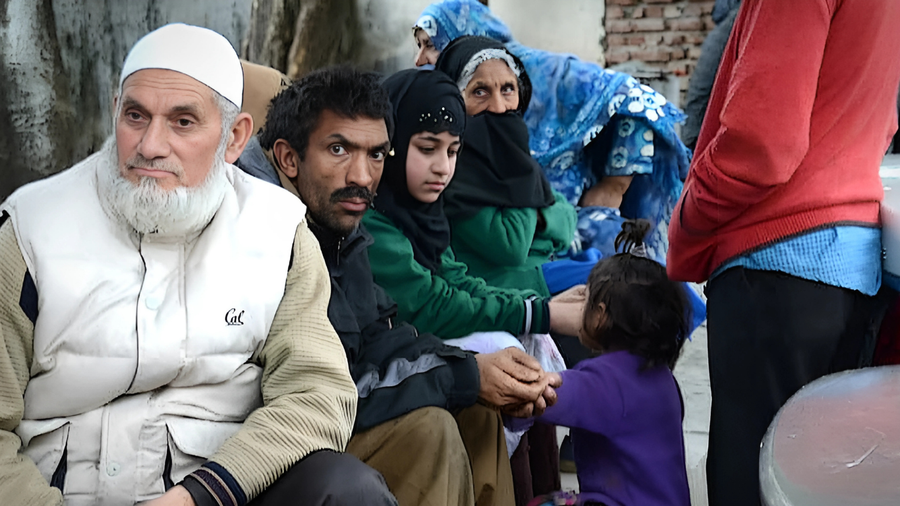
About 105 families in Dhadkai have members with speech and hearing impairment, with many never having attended school or received vocational training.
The broader Jammu region also sees high rates of hearing impairment among children and young adults, impacting their education, social integration, and future prospects.
Genetic Roots: The Time Bomb in DNA
Consanguinity and Recessive Mutations
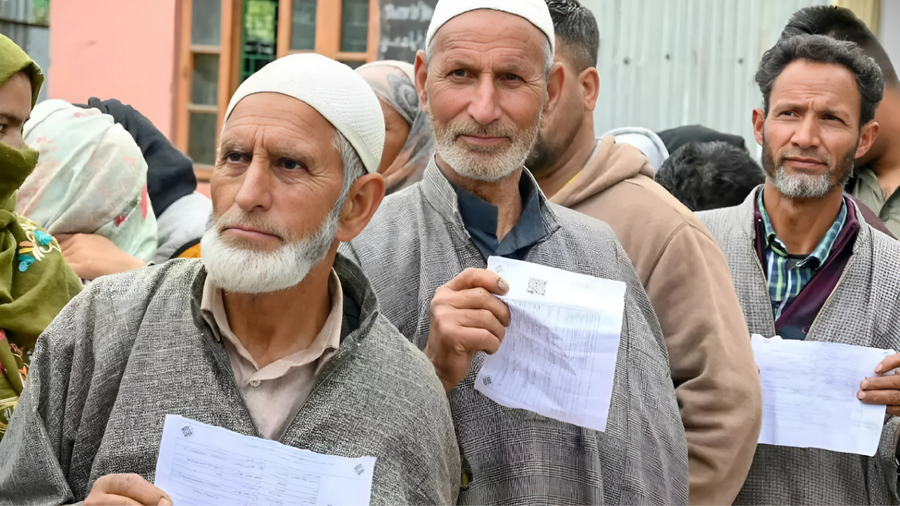
Hereditary influences are a key contributor to the widespread occurrence of hearing loss among people living in Jammu. In villages like Dhadkai, marriages between cousins have been common for generations. While these unions strengthen family bonds, they also increase the risk of recessive genetic disorders.
Genes at Play:
OTOF (Otoferlin): Mutations here disrupt the transmission of sound signals from the inner ear to the brain.
CLDN14 (Claudin-14): Mutations in this gene disrupt the regulation of inner ear fluids, interfering with the transmission of sound signals.
SLC26A4 (Pendrin): Mutations cause structural deformities in the inner ear, akin to building a concert hall with no doors.
A 2017 study found that 68% of Dhadkai’s hearing loss cases were linked to these three genes. Globally, OTOF-related hearing loss is rare (1 in 1,000), but in Dhadkai, it affects 1 in 5 residents.
Why Isolation Matters
In cities, diverse gene pools dilute these mutations. But in isolated villages, the same mutations compound over generations, creating what genetic counselor Dr. Anika Rao calls “a perfect storm”.
Climate: A Double-Edged Sword
The region’s harsh weather—intense heat in summer, bitter cold in winter, and unpredictable monsoon rains—further increases health risks.
Winter: Temperatures can drop to -15°C, and prolonged exposure can damage auditory nerves. For example, a shepherd lost 60% of his hearing after frostbite numbed his ears, with delayed treatment turning reversible damage permanent.
Monsoon: The floods of 2023 triggered an increase in waterborne illnesses such as cholera, which can lead to dehydration and diminished blood supply to the inner ear, ultimately damaging sensory hair cells.
Altitude: Even Jammu’s moderate elevation (300–500 meters) can reduce oxygen levels, stressing the cochlea’s hair cells and making them more vulnerable to damage.
Climate change is making these problems worse. Jammu’s average temperature has risen by 1.2°C since 1990, and extreme weather events have doubled, displacing thousands into crowded shelters where ear infections spread rapidly.
Healthcare Gaps: When Medicine Hurts
In regions with limited healthcare, over-the-counter medications are often used without supervision. Some common drugs are ototoxic—damaging to the ear.
NSAIDs (Ibuprofen, Aspirin): High doses can cause temporary hearing issues. A 2024 survey found 73% of villagers use NSAIDs for more than 10 days a month during farming season.
Aminoglycosides (Gentamicin): These antibiotics, often used for infections, can permanently destroy hair cells. One in four Jammu farmers received gentamicin for untreated wounds, and 20% developed hearing loss.
Loop Diuretics (Furosemide): Used for heart and kidney issues, these drugs can disrupt the ear’s fluid balance. In one reported case, a woman experienced a 70% reduction in her hearing ability after six months of taking furosemide without medical supervision.
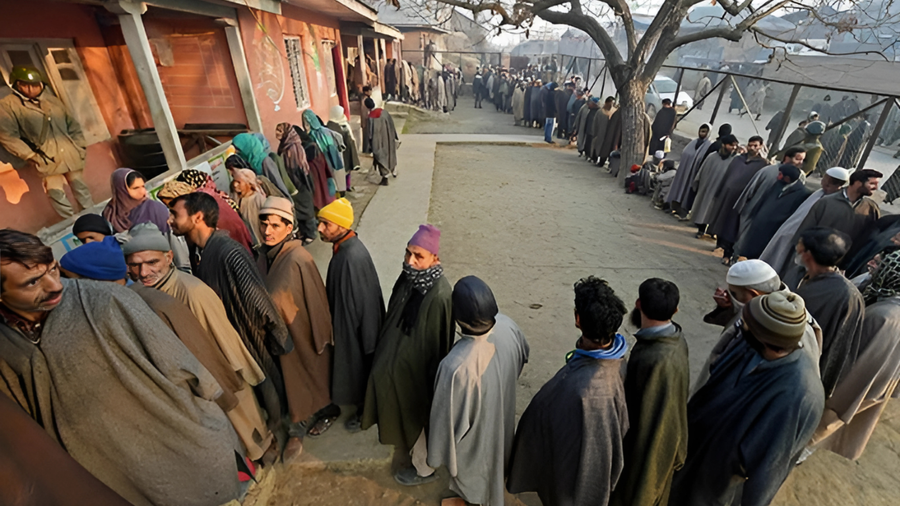
Sudden Sensorineural Hearing Loss (SSNHL) is a medical emergency that, if treated within 72 hours, can often be reversed. But only 12% of rural Jammu residents reach specialists in time. Tele-audiology programs have improved outcomes in some villages, but access remains limited.
Poverty and Stigma: The Cycle of Silence
Hearing loss in Jammu is not just a medical issue—it is deeply intertwined with poverty and social stigma.
Economic Impact: Most hearing-impaired residents work in farming or manual labor, jobs that require acute environmental awareness. The cost of a basic hearing aid is about ₹5,000—half a month’s income for many. Cochlear implants are prohibitively expensive.
Stigma: Misconceptions persist, with some people viewing hearing loss as either a contagious condition or a form of divine retribution.
Education: Only 3% of rural schools have teachers trained in sign language. Literacy rates for hearing-impaired adults are just 56%, compared to 78% in the general population.
A poignant example is Sarita, a 28-year-old from Dhadkai, who was kept out of school because her parents feared her hearing aid would bring shame to the family. Now, she cannot help her own child with homework.
The Social and Educational Toll of Hearing Loss in Jammu
In Jammu’s schools, hearing-impaired students face unique challenges:
Mobility and Social Barriers: Many students report difficulties in moving around and interacting with others, leading to isolation and feelings of inferiority.
Family Dynamics: Some students feel their parents are ashamed of their disability, and siblings are often unsupportive.
Educational Hurdles: Lessons are not adapted for hearing-impaired students, and special instruments or teaching methods are rarely available.
Despite these obstacles, many hearing-impaired students are determined to participate in social and co-curricular activities. Supportive teachers play a crucial role in encouraging these students to pursue their interests and build confidence.
Dhadkai: The Silent Village of India
Dhadkai, referred to as “The Silent Village of India,” serves as a compelling example in this context. Here, hereditary hearing loss is so widespread that a local sign language has evolved, used by both hearing and non-hearing villagers. However, the vocabulary is limited, restricting communication and access to opportunities.
The lack of formal education and support systems traps many in a cycle of poverty and exclusion. Most have never attended school, and there are no provisions for their educational or vocational needs.
Broader Rural Challenges
Dhadkai’s experience reflects the wider issues confronting rural communities across India, especially in terms of health and social challenges
Poverty and Unemployment: Many rural households earn less than ₹5,000 per month, and about half lack land ownership, relying on casual labor for survival.
Limited Access to Services: Rural areas lag behind urban centers in health, education, and infrastructure.
Disability and Exclusion: About 69% of persons with disabilities in India live in rural areas, where support and awareness are minimal.
Policy and Aspirations
Despite these hardships, there is hope. India’s National Education Policy (NEP) 2020 and the Rights of Persons with Disabilities Act (RPwD, 2016) emphasize inclusion and equal participation for all, especially for Socio-Economically Disadvantaged Groups (SEDGs). The National Education Policy (NEP) suggests that areas such as Dhadkai be recognized as Special Education Zones (SEZs) to enable targeted support and resources.
Villagers have high expectations from the government and dream of a future where their silence is not ignored but addressed. Collaborative efforts between government agencies, NGOs, and the local community are essential to:
Ensure that children have opportunities for quality education and skill-based vocational training.
Develop inclusive communication resources
Enhance healthcare services and introduce early screening programs to address hearing loss promptly.
Support families through financial assistance and awareness initiatives to empower them and promote understanding.
Solutions in Action for Hearing Loss in Jammu
Genetic Counseling and Early Screening
NGOs like HearIndia organize matchmaking workshops to explain genetic risks, leading some couples to opt against cousin marriages.
Pilot programs test newborns for OTOF mutations, enabling early intervention with sign language training.
Climate-Proofing Healthcare
Flood-resistant clinics and solar-powered audiology booths are being set up in disaster-prone areas.
Community health workers distribute earplugs during dust storms and monitor ototoxic drug use.
Breaking the Stigma
Role models like wrestler Rajesh Kumar, a Deaflympics silver medalist from Jammu, show that hearing loss does not define potential.
Popular radio dramas feature hearing-impaired protagonists, reaching millions and changing perceptions.
Tech Innovations
IIT Jammu has developed a low-cost hearing aid for ₹999, made from recycled smartphone parts.
A digital tool powered by artificial intelligence converts spoken Kashmiri into animated sign language, currently implemented in 30 schools.
A Global Perspective
Jammu’s hearing loss crisis is not unique. Isolated communities worldwide face similar challenges:
In Bolivia’s Altiplano, high-altitude hypoxia and mining pollution have led to a 38% hearing loss rate in mining towns.
In Finland, a recessive GJB2 mutation affects 1 in 50 people, managed through nationwide genetic screening.
The key takeaway is that solutions require a blend of local cultural wisdom and global scientific collaboration.
Conclusion: Listening to the Noisy Silence
Hearing loss in Jammu is a mirror reflecting universal truths: health is never just physical—it’s woven into relationships, environment, and beliefs. Simple, low-cost interventions like newborn screening and community education can break cycles of disability and exclusion.
“We may not hear the winds, but we feel them. Help us turn this storm of silence into a song of change.” — Mohammad Abbas, Dhadkai elder
What Can Be Done?
Raise Awareness: Highlight the connections between hearing loss and factors such as environmental changes, genetic predispositions, and social inequality.
Support NGOs: Donate to organizations providing subsidized hearing aids and community support.
Advocate: Push for policies funding rural audiology centers, genetic research, and inclusive education.
The story of Jammu’s “noisy silence” is a call to action. By listening, understanding, and acting, we can ensure that the silence of Dhadkai and similar communities is finally heard—and transformed into hope and opportunity for generations to come. Addressing hearing loss in Jammu is not just about treatment, but about restoring voices and futures.
Thank you for reading! If you found this information helpful, don’t forget to follow us on our social media channels for the latest updates, tips, and news on hearing health. Stay connected and keep visiting our website for more informative articles and resources. Your support helps us continue spreading awareness and making a difference!