
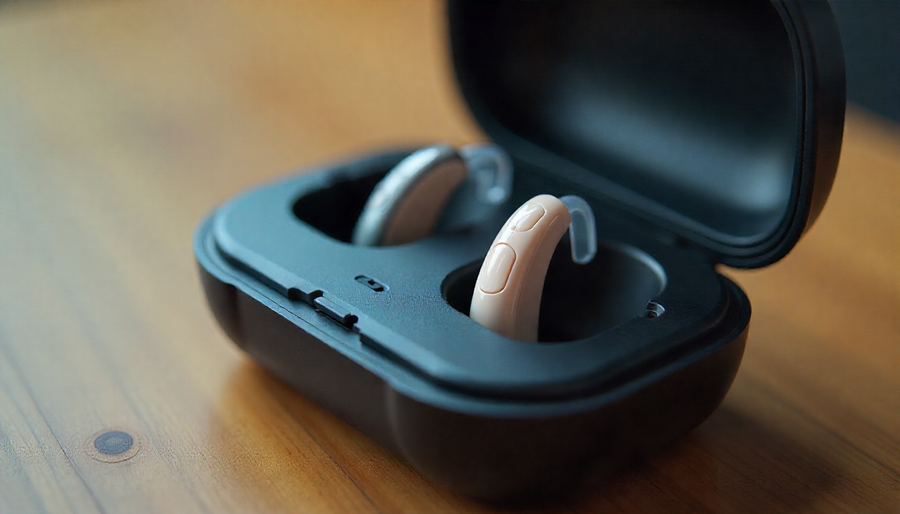
Hearing loss is not just about sound being soft. It affects conversations, confidence, relationships, work performance, mental health, and overall quality of life. That’s why choosing a hearing aid is not a casual purchase or a gadget decision—it is a long-term healthcare decision.
Among global hearing aid brands, Phonak and Widex consistently stand out. Both are respected by audiologists worldwide, both are backed by strong research, and both serve very different listening needs exceptionally well. Yet, they approach hearing in fundamentally different ways.
This blog is written to help you understand how both brands work, where they differ, and which type of user benefits most from each, so you can make a confident, informed decision—not based on marketing, but on real-world hearing science.
How Hearing Aid Fitting Works: Why Both Brands Start with Science
The real performance of a hearing aid depends on how accurately it is fitted to the individual ear and hearing profile. Both Phonak and Widex follow evidence-based audiological protocols, not guesswork.

Standard Prescription Formulas Used by Both
- Adults: NAL-NL2 (focuses on speech clarity and comfort)
- Children: DSL v5 (prioritizes speech audibility for language development)
These formulas ensure:
- Soft sounds are audible
- Speech is clear
- Loud sounds remain comfortable
However, prescription targets are only the starting point, not the final listening experience.
Verification and Accuracy: Why Real-Ear Testing Matters
Both brands strongly support real-ear verification using systems like Audioscan Verifit.
This confirms:
- What is programmed is what your ear actually receives
- Performance is accurate across soft, medium, and loud sounds
- Speech and environmental sounds are delivered safely and consistently
Why this matters:
Two hearing aids with the same settings can sound very different inside the ear. Verification removes assumptions and improves long-term satisfaction.
Managing High-Frequency Hearing Loss: Different Philosophies, Same Goal

High-frequency hearing loss affects clarity, especially sounds like:
- “S”, “F”, “SH”, “CH”
- Children’s voices
- Alarms, birds, and speech detail cues
Phonak: SoundRecover
Widex: Audibility Extender
Phonak favors functional clarity, Widex favors natural perception.
Advanced Signal Processing: Hearing in the Real World

Phonak: Strong Performance in Noise
- Prioritizes speech in complex environments
- Ideal for restaurants, meetings, social gatherings
Widex: Natural Environmental Adaptation
- Preserves ambient awareness
- Avoids robotic or over-processed sound
- Feels more relaxed and realistic
Key difference:
Phonak helps you understand speech in chaos.
Widex helps sound feel natural and effortless.
Zero Delay vs Spatial Processing: How Timing Changes Everything
Widex ZeroDelay™ Technology
- Eliminates echo or hollow sensations
- Improves own-voice comfort
- Reduces listening fatigue
Critical for:
- Musicians
- Public speakers
- Sound-sensitive users
Phonak’s Approach
- Strong localization and directional awareness
- Excellent for dynamic environments
Scientific Validation: Research-Driven Design in Both Brands
Both companies invest heavily in experimental modeling and simulators.
Phonak Research Focus
- Speech intelligibility
- Binaural coordination
- Noise performance
- Cochlear implant integration
Widex Research Focus
- Temporal envelope preservation
- Sound continuity
- Natural sound perception
- Listening comfort
This difference explains why users often feel the difference immediately when switching brands.
Product Lines: Who Each Brand Is Designed For
Phonak Product Lines
- Sky Series: Pediatric, DSL-based, classroom-ready
- Adult BTE/RIC/ITE models: From first-time users to profound loss
- Bimodal solutions: Hearing aid + cochlear implant integration
Best for:
- Children
- Severe hearing loss
- Noisy work environments
- Cochlear implant users
Widex Product Lines
- Moment Series: ZeroDelay, premium sound realism
- Pediatric devices: DSL-based, durable, classroom compatible
Best for:
- Music lovers
- Tinnitus patients
- Long-term hearing aid users
- Sound-quality focused individuals
Connectivity and Modern Lifestyle Integration
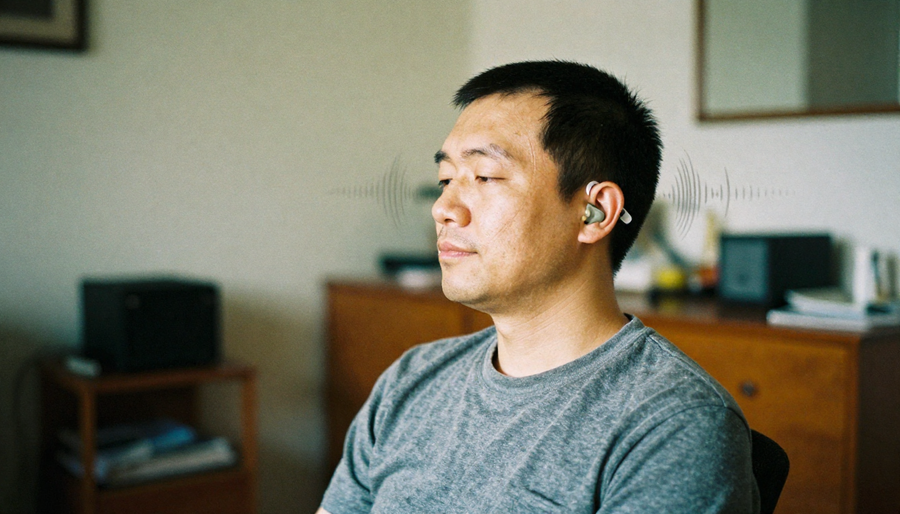
Shared Capabilities
- Bluetooth streaming
- TV connectors
- Remote microphones
- Telecoil compatibility
Phonak Strength
- Universal Bluetooth (connects to almost any phone)
- Strong streaming stability
- FM and loop systems
Widex Strength
- COM-DEX, SoundAssist
- High-quality streaming with preserved sound texture
Noise Reduction & Directionality: Comfort vs Control
- Phonak: More measurable noise suppression
- Widex: Higher subjective listening comfort
There is no universally superior method; the ideal choice depends on how an individual’s brain processes sound.
Feedback Management & Technical Reliability
Both brands use adaptive feedback cancellation:
- Reduces whistling
- Adjusts dynamically with movement
- Supports open-fit comfort
Phonak adds binaural coordination for stability, while Widex focuses on smooth adaptive control.
Tinnitus Management: Where Widex Clearly Leads

Widex Zen Therapy
- Fractal, non-repetitive tones
- Combined with counseling principles
- Clinically proven to reduce tinnitus distress
Phonak also offers tinnitus features, but Widex is often the first choice for tinnitus-centric care.
Key Insights: Choosing Between Phonak and Widex
Choose Phonak if you:
- Struggle in noisy environments
- Need strong speech clarity
- Use or plan cochlear implants
- Want robust, adaptive performance
Choose Widex if you:
- Are sensitive to artificial sound
- Value music and realism
- Experience tinnitus
- Want low listening fatigue
Final Verdict: Which Hearing Aid Is Right for You?
There is no universally “best” hearing aid—only the best match for your hearing profile, lifestyle, and brain.
- Phonak excels at functional clarity, noise handling, and clinical versatility.
- Widex excels at natural sound, comfort, and emotional listening quality.
Both are excellent. Both require expert testing, real-ear verification, and follow-up care to deliver results.
The most important decision is not just the brand—but choosing an experienced audiologist who understands how to fit and fine-tune these technologies for you.
Because hearing better is not just about sound—it’s about living better.
Below is a detailed comparison between phonak hearing aid vs widex hearing aids
1. Sound Quality and Naturalness
When considering hearing aids, sound quality is one of the most crucial factors, as it directly impacts the user’s daily experience. The sound quality and naturalness of a hearing aid can make a huge difference in how well a user can adapt to wearing it. Both Phonak and Widex have invested heavily in technology that aims to provide the most natural listening experience possible, but they achieve this goal in slightly different ways, and each offers a unique approach to how sound is processed and delivered.
Phonak’s Sound Quality:
Phonak’s hearing aids, especially in their Audeo Paradise series, are renowned for their clear and crisp sound quality. Their approach to sound processing is aimed at providing clarity in challenging listening environments. Phonak uses Autosense OS technology, which automatically adapts the sound processing based on the user’s surroundings. For example, if a user is in a noisy environment, such as a crowded restaurant or a busy street, the device will automatically adjust its settings to prioritize speech clarity while minimizing background noise.
This system works very well in environments where there’s a lot of background noise, such as in urban settings or during social gatherings. It’s perfect for users who need to hear conversations with family and friends, even when there are competing sounds around them. Phonak’s noise-reduction features also help in reducing wind noise and other intrusive environmental sounds, offering a more comfortable listening experience.
However, while Phonak’s sound quality is generally praised for its clarity and ability to focus on speech, some users report that the sound may feel a bit processed or artificial, especially for those who are used to natural sound environments. The system prioritizes speech over other sounds, and in some cases, this could make the audio feel less immersive for those who enjoy listening to music or sounds in their natural state.
Widex’s Sound Quality:
On the other hand, Widex has built a strong reputation for producing hearing aids with natural and rich sound quality. The Widex Moment series, in particular, is designed with a unique approach to sound processing. Widex’s sound philosophy focuses on naturalness—the idea is to replicate sound in a way that feels more like what we experience with our own ears, without over-processing or manipulating it too much.
Widex uses their ZeroDelay™ technology, which is designed to provide a more instantaneous sound transmission, ensuring that the sound you hear is closer to what would be experienced in a natural hearing environment. This technology helps reduce any processing delay or echo effects that might be felt with other hearing aids, offering a more authentic listening experience.
What truly sets Widex apart is their focus on high-fidelity sound reproduction, especially for music lovers. Users have reported that listening to music through Widex hearing aids feels more dynamic, with greater tonal accuracy and a wider range of sound frequencies. The natural sound reproduction process ensures that music, vocals, and other fine details are preserved, making it the preferred choice for audiophiles and musicians. Widex hearing aids are also designed to maintain a balance between speech clarity and environmental sounds, meaning that users don’t feel overwhelmed by background noise, yet still experience a rich, full range of sounds.
Comparison of Sound Quality and Naturalness:
Both brands excel in sound processing, but the difference lies in the approach. Phonak’s technology works best in high-noise environments where clarity of speech is paramount. The adaptive nature of Autosense OS makes it ideal for everyday situations, especially in loud environments, but it may lose a bit of the natural sound quality for more sensitive listeners.
Widex, on the other hand, is built for those who prioritize natural sound and musical clarity. Their approach to sound preservation and natural reproduction makes it a favorite for those who want to experience sound as authentically as possible, particularly in quieter settings or when listening to music. Widex hearing aids may struggle slightly in very noisy environments compared to Phonak’s advanced noise reduction technology, but they offer a better balance for those who need a natural, comfortable listening experience across various environments.
Final Thoughts:
In conclusion, the sound quality of hearing aids from both Phonak and Widex is impressive, but they cater to different preferences:
- Phonak is ideal for those who need clear speech in noisy environments and who may not mind a slightly processed sound for the sake of clarity.
- Widex excels in natural sound reproduction, making it perfect for users who value sound fidelity and a natural listening experience, especially when enjoying music.
Ultimately, your choice between these two brands will depend on what’s more important to you: speech clarity in noise or natural sound for a more immersive experience. Both provide a high-quality listening experience, but each brand excels in different contexts.
2) Battery Life and Rechargeability
Battery life and rechargeability are essential considerations when choosing a hearing aid. Both Phonak and Widex provide options for both rechargeable and disposable battery models, but each brand brings its own advantages and considerations in terms of battery performance, charging convenience, and overall lifespan.
Phonak’s Battery Life and Rechargeability
Phonak hearing aids are available with rechargeable lithium-ion batteries that provide all-day battery life, which is particularly useful for those who have a busy lifestyle. Typically, Phonak rechargeable models last anywhere from 16 to 24 hours on a single charge, depending on usage, streaming, and the environment in which they are used. For example, Phonak Audeo Paradise offers up to 24 hours of use, even with streaming music or phone calls, a significant plus for tech-savvy users who rely on their hearing aids for connectivity.
Phonak hearing aids feature quick charging capabilities, offering up to 6 hours of use from just 30 minutes of charging. This rapid charge is particularly convenient when you are in a rush or need to quickly get back to using your hearing aids after a short break. The charging cases are compact and can hold additional charges, allowing you to charge the hearing aids on the go.
In addition to rechargeable models, Phonak also offers disposable battery options for those who prefer them. These batteries are easy to replace and provide longer usage per battery cycle, especially for those who use their hearing aids minimally during the day.
Widex’s Battery Life and Rechargeability
Similar to Phonak, Widex also provides rechargeable hearing aids with lithium-ion batteries. Models such as the Widex Moment offer up to 16 hours of use on a full charge, which is in line with Phonak’s offerings. However, Widex models are more focused on maintaining a natural sound experience, and as a result, their battery life tends to be a little shorter in terms of continuous usage when streaming.
One key feature of Widex’s rechargeable batteries is the rapid charge feature, which allows you to get several hours of use from just 30 minutes of charging, much like Phonak. The Widex Moment series also includes a sleek charging case that provides both portability and convenience, enabling you to keep the devices charged while on the go.
Battery Life Comparison
In terms of battery life, Phonak tends to have an edge when it comes to the overall duration of a full charge. Phonak hearing aids can last a bit longer, especially with the inclusion of auto-sensing technology that helps optimize power consumption. Widex, while offering a slightly shorter battery life, excels in charge efficiency and natural sound quality.
Another consideration is that Phonak’s quick-charge feature offers more flexibility and convenience, making it ideal for those who may not have long charging breaks. On the other hand, Widex’s charging case and battery longevity serve the purpose well, though it’s important to note the potential need for a backup charger during long trips.
Maintenance and Durability
Both brands offer reliable rechargeable solutions, but Phonak’s battery management seems a bit more robust for heavy users. Widex, while it does offer solid rechargeable battery options, may require battery replacements more often, especially for users who rely heavily on streaming or other power-intensive features.
Overall Conclusion:
Both brands are excellent in terms of rechargeable battery solutions, but Phonak likely offers longer-lasting battery life and slightly more convenience in terms of charging, while Widex is ideal for users who value natural sound quality even if the battery life is slightly shorter.
3) Connectivity with Other Devices
One of the most significant advancements in hearing aids over the last decade has been improved connectivity. Both Phonak and Widex have worked to integrate their hearing aids with Bluetooth-enabled devices such as smartphones, TVs, computers, and other personal audio devices, providing a seamless experience for users.
Phonak’s Connectivity Features
Phonak hearing aids are among the best in terms of connectivity with external devices, offering direct streaming from smartphones (both Android and iOS), tablets, and even smart TVs. Their Audeo Paradise series features Bluetooth 2.4 GHz and Bluetooth Low Energy (BLE), allowing for stable and energy-efficient connections. This means users can stream calls, music, and podcasts directly into their hearing aids without needing any additional accessories.
Phonak also incorporates the myPhonak app, which provides users with the ability to fine-tune their hearing aids, adjust volume, change settings, and even control the directionality of the microphones. The app integrates seamlessly with Phonak hearing aids, making it easy for users to control their device remotely and make adjustments on the fly.
Moreover, Phonak offers multi-device pairing, allowing users to connect to two devices simultaneously. This feature is perfect for those who want to use their hearing aids for both phone calls and music streaming at the same time, ensuring no missed notifications.
Widex’s Connectivity Features
Widex also supports Bluetooth connectivity, though it requires the use of an accessory for certain features. For example, the Widex ConnectClip is used to stream audio from devices like smartphones, TVs, and computers to the hearing aids. This device provides clear and reliable streaming but requires an extra step compared to Phonak’s direct streaming capabilities.
Widex’s Moment series offers direct Bluetooth connectivity to iPhones (iOS), but streaming from Android devices might not be as seamless as Phonak’s offerings. The integration between Widex hearing aids and external devices is generally very good, but there’s a bit more reliance on additional accessories when compared to Phonak’s more all-in-one solutions.
Comparison of Connectivity
When it comes to Bluetooth connectivity, Phonak has a clear advantage because of its ability to stream directly from both iOS and Android devices without the need for additional accessories. The multi-device connectivity is a significant plus, allowing users to seamlessly switch between devices, like phone calls and music, without having to disconnect and reconnect.
In contrast, Widex’s need for an additional accessory (such as the ConnectClip) means there’s an extra piece of equipment to keep track of. While this doesn’t detract from the functionality of the hearing aids, it is an additional consideration for users who prefer a more streamlined, all-in-one solution.
Summary
Both Phonak and Widex provide excellent connectivity features, but Phonak’s direct streaming and multi-device pairing options make it the more convenient choice for users who need robust and seamless connections with smartphones and other devices. Widex, while still providing strong connectivity, requires additional accessories like the ConnectClip, which can slightly reduce its convenience.
4) Tinnitus Management
Tinnitus is a condition characterized by a ringing, buzzing, or hissing sound in the ears, and it can be incredibly distressing for many people. For individuals who suffer from tinnitus, finding a hearing aid that can manage the condition is critical. Both Phonak and Widex offer specific features designed to help manage tinnitus symptoms effectively.
Phonak’s Tinnitus Management Features
Phonak provides Tinnitus Balance technology, which is designed specifically for tinnitus sufferers. Phonak hearing aids with this feature include a set of customizable sound therapy options, which use soothing sounds or gentle tones to mask the tinnitus sounds. These therapies are personalized based on the user’s needs and the nature of their tinnitus. Phonak allows users to adjust the volume and type of masking sound through their app, offering flexibility in choosing the most effective therapy for them.
Phonak’s Tinnitus Balance also includes sound generators, which are built into the hearing aids to emit sounds like white noise, pink noise, or nature sounds. These sounds can help reduce the perception of the tinnitus sound by providing a distraction and thus offering some relief.
Widex’s Tinnitus Management Features
Widex also provides a robust tinnitus management program in its hearing aids. The Widex Moment and other models include a Tinnitus Management System, which offers a variety of sound therapy options. These therapies include a selection of relaxing sounds like white noise, pink noise, and even ocean waves, designed to mask the tinnitus and provide a soothing background sound.
One of the standout features of Widex’s tinnitus management program is its SoundSense Tinnitus app. This app allows users to adjust the sound therapy in real-time by selecting different noise or sound frequencies that they find most effective. The app allows for fine-tuning and personalizing the therapy to suit the user’s preferences and level of discomfort.
Comparison of Tinnitus Management
Both Phonak and Widex offer effective tinnitus management systems, but the Widex SoundSense Tinnitus app gives users more customization and control over their therapy, allowing for a more personalized experience. The ability to adjust the frequency and type of sound therapy based on personal preference is a significant advantage for many users.
Phonak’s Tinnitus Balance is also highly effective but may not provide as much personalization in real time. Phonak’s solution tends to focus on sound masking with a few preset sound types, while Widex offers more flexibility in fine-tuning the therapy.
Summary
If you suffer from tinnitus, both brands offer reliable solutions. Widex is better for those who want more control over the type of sound therapy, while Phonak’s Tinnitus Balance is excellent for those who prefer preset therapies that focus on sound masking.
5) Speech Clarity and Noise Reduction
One of the most important features of hearing aids is their ability to provide clear speech understanding in environments with competing background noise. Both Phonak and Widex use sophisticated algorithms to improve speech clarity in noisy settings. However, each brand has a unique approach to tackling the challenge of noise reduction.
Phonak’s Speech Clarity and Noise Reduction
Phonak hearing aids are known for their superior ability to separate speech from background noise. Phonak’s Speech in Wind feature helps in environments where wind noise is prevalent, like when you are walking outside or driving with the window down. This technology reduces the disruptive sounds caused by the wind while amplifying speech.
In addition, Phonak’s NoiseBlock technology is designed to actively reduce unwanted background sounds, including traffic, machinery, and chatter, enabling users to focus more effectively on the conversation. Speech in Noise is another key feature of Phonak hearing aids, which enhances speech clarity in environments with competing noises such as restaurants or crowded events. This is particularly important for people who are frequently in social settings where there is a lot of background noise.
Phonak’s Autosense OS works to automatically adjust the hearing aid settings depending on the environment. It intelligently detects the presence of noise and automatically optimizes sound processing to maximize clarity and reduce background interference. Users can trust that Phonak hearing aids are continuously adapting to their environment to ensure the best possible listening experience.
Widex’s Speech Clarity and Noise Reduction
Widex hearing aids are designed with a focus on maintaining natural sound quality. Their Zen program is a unique feature that provides relaxation sounds to counterbalance the perception of tinnitus but also works to reduce unwanted noise. While Widex offers strong noise reduction features, it tends to be more subtle compared to Phonak’s aggressive noise filtering. Widex does not provide the same level of active noise suppression but instead focuses on preserving the natural timbre of the environment while maintaining clear speech.
Widex’s SoundSense Learn app allows users to make real-time adjustments to sound processing based on personal preference. While this approach offers more customization and flexibility, it may not always be as effective in highly challenging noise environments. However, for users in less noisy environments or those who prefer a more natural sound, Widex does an excellent job of making speech sound clear and intelligible.
Comparison of Speech Clarity and Noise Reduction
Phonak’s Speech in Noise feature is significantly better in noisy environments. If you are in a restaurant, on public transport, or at a party, Phonak will perform better in distinguishing speech from surrounding noise due to its advanced noise reduction technology. The NoiseBlock feature provides substantial benefit in busy, urban environments, making Phonak ideal for users who need clear speech understanding in such settings.
Widex, however, excels for individuals who don’t mind a bit of environmental noise and prefer a more natural sound experience. The company’s goal is to enhance the listening experience without heavily processing sound. Therefore, in situations with moderate background noise, Widex can still be effective, but it may not isolate speech from surrounding noise as efficiently as Phonak.
Final Thoughts:
If you primarily need clarity in busy, noisy environments, Phonak is the superior option. Its advanced noise-reduction algorithms allow it to perform better in highly challenging listening situations. On the other hand, if you prefer a more natural sound quality and are in less noisy settings, Widex provides an excellent balance of speech clarity with minimal processing.
6) Comfort and Fit
Comfort and fit are crucial factors for the long-term wearability of hearing aids. A hearing aid that isn’t comfortable or doesn’t fit well can lead to discomfort, skin irritation, and poor sound quality. Both Phonak and Widex understand this and have created hearing aids designed for maximum comfort and a secure fit for extended wear.
Phonak’s Comfort and Fit
Phonak offers a variety of styles and sizes to ensure comfort for different ear shapes and sizes. The brand is known for its Receiver-in-Canal (RIC) and Behind-the-Ear (BTE) designs. These models are lightweight and provide a secure, stable fit throughout the day. Phonak uses soft ear tips and flexible tubing, which are designed to conform to the shape of the ear, preventing irritation and ensuring comfort.
Additionally, Phonak’s Power BTE models are perfect for users with more severe hearing loss and provide a more customizable fit with different earmolds that help distribute the pressure across the ear for comfort. Their SlimTube design offers a discreet option, making the hearing aid less visible, which appeals to users who prefer a low-profile design.
For extended wear, Phonak hearing aids are comfortable due to their ergonomic design, and many users report they can wear them for hours without feeling discomfort. The soft, flexible materials reduce pressure points and ensure that the device fits snugly without being overly tight.
Widex’s Comfort and Fit
Widex also offers a range of RIC and BTE models, but they are particularly known for their custom-fit in-ear designs. Widex provides highly tailored solutions for users who want the most discreet and comfortable fit. Their in-ear models come with soft silicone ear molds, which mold to the shape of your ear canal, making them feel natural and comfortable, even for prolonged use.
Widex’s Moment series uses super-soft materials to create a comfortable and lightweight device. The in-ear custom fits are especially appreciated by users who are sensitive to having a hearing aid sitting behind the ear. Additionally, Widex’s noise cancellation is subtle and adjustable, allowing for a more comfortable listening experience without feeling like the sound is being over-processed.
Comparison of Comfort and Fit
Both Phonak and Widex offer exceptional comfort, but Widex’s in-ear models provide a slightly more discreet and customized fit. The earmolds and soft materials used by Widex make the devices feel more natural and less noticeable. This makes them an ideal choice for those who prioritize comfort over all else.
On the other hand, Phonak’s designs are incredibly lightweight and versatile, with various ear tips to choose from. Their designs may be preferred by people who like having the option of more visibility or are dealing with more severe hearing loss.
Conclusion:
For users who value discreetness and personalized fit, Widex offers a superior experience, especially for those who prefer custom molds. However, Phonak’s designs offer a reliable comfortable fit for extended wear, and its lightweight designs ensure a snug, but unobtrusive fit.
7) Sound Customization and Control
Sound customization is a powerful tool for hearing aid users, allowing them to adjust the sound output to match their preferences and hearing needs. Both Phonak and Widex offer sound customization features, but they differ in the level of control and the methods they use to personalize the listening experience.
Phonak’s Sound Customization and Control
Phonak provides exceptional sound customization through the myPhonak app and the Autosense OS feature. The myPhonak app enables users to make manual adjustments for volume, program settings, and even change sound environments. With a simple interface, users can tweak settings like treble, bass, and volume levels to achieve the perfect balance of sound in any situation.
Autosense OS technology is the highlight of Phonak’s sound customization, automatically adapting to the user’s environment by adjusting the hearing aid settings to suit specific situations. It can detect background noise, speech, music, and other sound environments, and adjust settings accordingly, meaning users don’t have to make adjustments manually unless desired.
Phonak also offers real-time adjustments for those who want more control. You can fine-tune your hearing experience for every situation through the app, enabling precise customization based on your immediate needs.
Widex’s Sound Customization and Control
Widex’s SoundSense Learn app offers a unique, user-driven approach to sound customization. This feature allows users to personalize their sound experience by providing options to adjust sound balance and tonal preferences. The app allows for real-time comparisons between two sound settings, and the user can choose which one feels better.
Widex also provides manual adjustment options directly on the hearing aid, giving users the ability to fine-tune their experience in real-time. However, Widex puts more emphasis on the natural experience rather than making constant adjustments.
Comparison of Sound Customization and Control
Phonak offers automatic sound adjustments through Autosense OS, which is excellent for users who don’t want to fiddle with settings and prefer the hearing aids to adapt automatically. On the other hand, Widex’s SoundSense Learn gives users the ability to actively customize their sound experience, offering more flexibility for those who want to fine-tune their settings based on personal preferences.
Conclusion:
For users who want effortless and intelligent sound adjustment, Phonak’s Autosense OS leads the way. However, if you value hands-on control and want more personalization, Widex’s SoundSense Learn offers the most in-depth customization options.
8) Style and Aesthetics
When choosing a hearing aid, the style and aesthetics of the device can play a major role in the decision-making process. Hearing aids are designed to be both functional and discreet, but depending on the user’s preferences, one may opt for a more sleek and stylish model, while another might prioritize a comfortable fit or a smaller profile. Both Phonak and Widex offer hearing aids with a focus on aesthetics without compromising on performance. Below is an in-depth look at the styling and design aspects of hearing aids from both brands.
Phonak’s Style and Aesthetics
Phonak hearing aids are available in a wide variety of colors and styles, ensuring there’s an option for everyone. The Receiver-in-Canal (RIC) and Behind-the-Ear (BTE) models are some of the most popular options Phonak offers, and they’re known for being lightweight and discreet. The Audeo Paradise series is a prime example, with its sleek, modern design and compact size. Phonak has put significant effort into ensuring that their hearing aids are subtle, fitting comfortably behind the ear or within the ear canal, making them less noticeable for those who prefer discretion.
Phonak also offers a wide selection of skin-tone shades and other color options, which cater to individuals who may not want their hearing aids to stand out. The small size of many Phonak models ensures that they blend into the natural shape of the ear, making them both functional and almost invisible when worn. This is particularly beneficial for individuals who are self-conscious about wearing hearing aids and want something that remains unobtrusive.
Additionally, Phonak’s charging case has been designed to be compact and easy to carry around, giving users a stylish and convenient way to store and charge their hearing aids on the go. The charging cases are sleek and come in neutral colors that blend well with everyday accessories. The overall appearance of Phonak devices is often seen as elegant, offering a balance between modern design and high-end functionality.
Widex’s Style and Aesthetics
Widex takes a slightly different approach with its hearing aid design, focusing more on refinement and subtlety. The Moment series, for instance, is designed to be extremely discreet while also maintaining a sleek and polished appearance. The custom-fit in-ear designs that Widex offers are particularly valued by those who prefer complete invisibility. These models sit snugly inside the ear canal, making them almost impossible to notice unless looked at very closely.
Widex’s custom in-ear designs are ideal for users who are looking for a high level of comfort and aesthetic appeal. They come in a variety of skin-tone colors, allowing for a natural fit that blends seamlessly with the user’s ear. Widex hearing aids are generally compact and lightweight, offering comfort during long wear and ensuring that the aesthetic appeal doesn’t compromise on comfort.
In addition to their custom fit, Widex hearing aids are known for their minimalist design. The use of premium materials and attention to fine details makes these devices more luxurious. While they don’t have the same variety of color choices as Phonak, Widex’s focus on elegance and natural fit makes them attractive to individuals who want something that is both functional and stylish.
One of the unique features of Widex is their battery door designs that allow users to change the battery easily, while also ensuring that the design remains aesthetically pleasing. The smooth finish and the fine-tuned craftsmanship reflect Widex’s focus on luxury and comfort.
Comparison of Style and Aesthetics
Both Phonak and Widex prioritize discreetness and comfort, but they differ in their approach to style. Phonak offers a wider range of color options and provides both RIC and BTE models, making it a versatile choice for individuals who want more customization in terms of color and size. Phonak’s models are slightly more noticeable due to the external placement of the receiver, but they are designed to be minimalist and functional.
In contrast, Widex offers a more refined and luxurious appearance, particularly with their custom in-ear designs, which provide users with the benefit of near-invisibility. These models are excellent for those who want total discretion and prefer the natural fit of custom molds. The overall aesthetic of Widex may appeal more to individuals who prioritize elegance over having more variety in color choices.
Conclusion
In terms of style and aesthetics:
- Phonak is ideal for users who want more color variety, versatility, and discreetness while still opting for a sleek and modern design.
- Widex is better suited for users who want premium, refined aesthetics, with a preference for invisibility and a natural fit inside the ear canal.
Both brands offer a level of style sophistication, but your choice will depend on how visible or discreet you want your hearing aids to be.
9) Advanced Features for Music Lovers
For music lovers, sound quality is paramount, and a hearing aid that enhances the listening experience while preserving the fidelity of sound is crucial. Both Phonak and Widex have integrated advanced features designed to improve the music listening experience, though each brand has its strengths in this area.
Phonak’s Advanced Features for Music Lovers
Phonak’s hearing aids are known for their crystal-clear sound quality and clarity of speech, but they also have features tailored for music lovers. Phonak’s Audeo Paradise hearing aids offer a specific music program that enhances the sound frequency range and makes music sound richer and more dynamic. By utilizing Frequency Compression technology, Phonak ensures that high frequencies are preserved, which helps in reproducing the tonal nuances of music.
Phonak hearing aids also incorporate adaptive microphone settings, which improve the quality of sound for music listeners. For example, Phonak automatically adjusts the microphone sensitivity to preserve the nuances in musical instruments and vocals, so the sound remains true to the original performance. Stereo streaming allows users to enjoy music from external devices, such as smartphones and tablets, directly through their hearing aids without needing any extra accessories.
Additionally, Phonak allows users to adjust the bass and treble settings via their smartphone app, providing a more personalized music experience. This is important for music enthusiasts who want to tailor the listening experience to their preferences.
Widex’s Advanced Features for Music Lovers
Widex has earned a reputation for producing high-fidelity sound with a focus on preserving the natural tonal quality of sound, which is particularly important for music lovers. The Widex Moment hearing aids are specifically designed with high-resolution sound to ensure that music comes across with its full depth and richness.
One of the standout features of Widex hearing aids for music is their SoundSense technology, which optimizes the frequency response for a natural listening experience. Widex’s ZeroDelay™ technology helps reduce any audio lag that can be noticeable when listening to music. This technology ensures that the sound you hear is almost identical to what you would hear without a hearing aid, making Widex a top choice for musicians and audiophiles who demand natural and rich sound reproduction.
The Widex Moment also offers customizable sound processing, which allows users to adjust the frequency response for music. Whether you are listening to classical music, rock, or electronic beats, the ability to fine-tune the sound can provide a more immersive listening experience. Additionally, Widex offers an app that lets users choose between different music settings to suit their taste.
Comparison of Features for Music Lovers
Both Phonak and Widex offer excellent features for music lovers, but their approaches are slightly different. Phonak focuses on dynamic sound clarity and real-time adjustments, while Widex offers superior sound quality, especially for users who prefer a high-fidelity experience. Widex’s technology ensures that the music sounds as natural as possible, with minimal processing. This makes it the preferred choice for individuals who are particular about music quality.
On the other hand, Phonak offers a more versatile solution with a music program and the ability to adjust bass and treble settings, which is great for users who want to personalize their experience and enjoy music with clear tones and full frequency range.
Conclusion
- Phonak is better for users who enjoy customizing sound and want clear, dynamic sound quality with a music program.
- Widex is the better choice for music enthusiasts who value high-resolution sound with natural tonal reproduction and superior sound quality.
10) Battery Charging and Maintenance
When it comes to battery charging and maintenance, the ease and convenience of a hearing aid’s battery management system play an essential role in daily usage. The rechargeable vs disposable battery options and the ease of maintenance can greatly affect the user experience.
Phonak’s Battery Charging and Maintenance
Phonak hearing aids come with a lithium-ion rechargeable battery that offers long-lasting performance. The Phonak Audeo Paradise series features a compact charging case that makes it convenient for users to charge their hearing aids on the go. The rechargeable battery typically lasts between 16 to 24 hours, depending on usage, and offers quick charging. In fact, users can get up to 6 hours of use from just 30 minutes of charging.
Phonak’s charging case is designed to be sleek and portable, making it easy to carry the device around and keep it powered. It’s also equipped with a built-in drying system to reduce moisture buildup, which helps prolong the lifespan of the hearing aids. This makes Phonak hearing aids low-maintenance, and you don’t need to worry about the hassle of replacing batteries frequently.
Widex’s Battery Charging and Maintenance
Widex hearing aids, particularly the Moment series, also offer rechargeable lithium-ion batteries. The Widex Moment models provide a similar battery life range as Phonak, lasting between 16 to 24 hours depending on usage. Their charging case is compact and easy to use, offering a reliable solution for daily charging needs.
Like Phonak, Widex’s rechargeable devices come with a quick-charging feature, allowing you to get several hours of use from just 30 minutes of charging. The charging cases are designed to be sleek and discreet, with a focus on ease of use. Widex hearing aids also include features to dry and clean the devices, ensuring longevity and protecting the battery from environmental factors such as moisture.
Comparison of Charging and Maintenance
Both brands offer reliable rechargeable solutions, and battery maintenance is relatively simple for both. Phonak might have a slight edge due to its quick charging feature and the built-in drying system in their cases, which can be helpful in humid environments. Widex offers similar charging capabilities but may not have as advanced drying systems as Phonak.
Conclusion
For those looking for easy maintenance and quick charging convenience, both Phonak and Widex are excellent choices. However, Phonak’s built-in drying and quick charge might offer a small advantage for individuals in humid or moist environments.
write rest each of 500 words
Certainly! Let’s continue with the rest of the detailed points.
11) Price Range
The price of hearing aids can vary greatly depending on factors such as technology level, features, customization, and brand reputation. Both Phonak and Widex are high-end brands, with devices typically falling into the mid-to-high price range. However, the pricing structure can differ between the two brands based on the specific features and technologies offered.
Phonak’s Price Range
Phonak hearing aids are known for their advanced technology, including features like Speech in Noise, Bluetooth streaming, remote adjustments, and noise reduction, which add to the cost. As a result, Phonak’s prices generally reflect the level of innovation and high-performance features that they offer.
Phonak’s hearing aids are priced between $1,000 to $3,000 per device, depending on the model and features. Entry-level models, which offer basic functionality and fewer advanced features, are on the lower end of the spectrum, while the high-end models with Bluetooth connectivity, tinnitus masking, and customizable sound processing are on the higher end. The Phonak Audeo Paradise series, which provides high-end features such as dynamic noise cancellation, multi-device streaming, and extended battery life, is typically priced in the higher range.
Phonak also offers some affordable solutions, such as the Phonak Sky models, which are designed for children or those with more straightforward hearing loss needs. These may have fewer advanced features but are still reliable and effective.
Widex’s Price Range
Widex, like Phonak, offers a range of hearing aids that cater to different needs and budgets. However, Widex tends to focus on delivering high-fidelity sound and natural listening experiences, which makes their products premium-priced compared to some competitors. Widex Moment, for example, is known for its natural sound quality and its high-definition audio processing.
Widex hearing aids typically range from $1,200 to $3,500 per device, with the Moment and Dream series models on the higher end due to their superior sound quality and advanced features like SoundSense Learn, which provides interactive real-time sound adjustments. These premium features, particularly aimed at users who value high-quality music reproduction and natural hearing experiences, can increase the cost of Widex models.
Similar to Phonak, Widex also provides a range of more affordable hearing aids. The Widex BEYOND series is a more budget-friendly option compared to the Moment series. It still offers solid performance and Bluetooth connectivity but at a lower price point.
Comparison of Price Range
Both Phonak and Widex offer high-quality hearing aids, but Phonak may offer a slightly wider range of budget options. If you’re on a tight budget, Phonak may be a better choice, especially if you’re looking for basic functionality without too many advanced features.
However, if you are looking for premium sound quality with natural audio processing and music enhancement, Widex offers higher-end models with features that justify the higher price. The Moment series, for example, is tailored for those who value superior sound quality over anything else.
Conclusion
- Phonak offers a wider range of models at varying price points, making it an excellent choice for those with budget concerns.
- Widex is more suited for users who are willing to pay a bit extra for premium sound quality and advanced features like SoundSense Learn.
12) User-Friendliness
User-friendliness is an essential aspect of choosing a hearing aid, as it influences how easy it is for individuals to interact with the device on a daily basis. Both Phonak and Widex prioritize making their hearing aids simple to use while also offering customization options for users who wish to adjust settings.
Phonak’s User-Friendliness
Phonak hearing aids are designed to be intuitive and easy to use. The myPhonak app is a key component of Phonak’s user experience, allowing users to adjust settings, change programs, and fine-tune sound preferences all from their smartphone. The app’s interface is clean and simple, designed with the average user in mind, ensuring that you don’t have to be tech-savvy to navigate it.
One of Phonak’s standout features is Autosense OS, which automatically adapts to different listening environments without requiring users to adjust the settings manually. This makes it an ideal option for individuals who don’t want to fiddle with their devices. Whether you’re in a crowded restaurant or driving on the highway, Phonak’s technology seamlessly optimizes your hearing experience in the background, allowing you to enjoy the moment.
Phonak also offers remote support through the app, where audiologists can make adjustments to the hearing aids without requiring an in-person visit, which is incredibly convenient for users who may not have easy access to audiologists.
Widex’s User-Friendliness
Widex hearing aids are also designed to be user-friendly, but they put a stronger emphasis on personalization. The SoundSense Learn app allows users to interact with their hearing aids in a more hands-on way. It lets users compare settings and choose their preferred sound environment in real time. This level of customization is great for individuals who want more control over their hearing aid’s sound profile but can be slightly overwhelming for those who prefer a more automated solution.
Widex’s hearing aids can also be adjusted through the device itself, with buttons that control volume, programs, and modes. However, these controls are slightly more complex than Phonak’s, which may require some practice to master. For users who want a simpler experience, the app provides a straightforward interface to make the process easier.
Comparison of User-Friendliness
Both Phonak and Widex offer user-friendly apps and adjustments that cater to different user preferences. However, Phonak stands out for those who want automated adjustments that work seamlessly in the background, thanks to Autosense OS. If you don’t want to spend too much time tinkering with your hearing aids, Phonak’s system is simple and effective.
On the other hand, Widex provides a more interactive experience with its SoundSense Learn, which is perfect for users who want a customized sound profile. But this level of control can make the experience a bit more involved, especially for people who prefer a set-and-forget solution.
Conclusion
- Phonak is the better choice for those who want automatic adjustments and less manual intervention. The app is straightforward, and the Autosense OS makes it ideal for effortless daily use.
- Widex is ideal for those who want deeper control and real-time sound adjustments through the SoundSense Learn app. It’s perfect for users who enjoy a hands-on approach to sound customization.
13) Customer Support
Customer support is a key factor in ensuring that users have a positive experience with their hearing aids throughout their lifespan. Both Phonak and Widex offer excellent support, but the quality and accessibility of this support can differ between the two brands.
Phonak’s Customer Support
Phonak offers a robust customer support network worldwide. With their global presence, Phonak has built a reputation for reliable customer service and easy access to support. Phonak provides a dedicated support line for hearing aid users, and many audiologists and hearing centers are familiar with Phonak devices, which allows for quick repairs, adjustments, and consultations.
Phonak’s myPhonak app also provides a level of remote support that allows audiologists to connect with users for troubleshooting or fine-tuning the settings. This remote service is especially beneficial for users who live in remote areas or have mobility issues, as it allows them to receive expert help without having to visit a clinic.
Widex’s Customer Support
Widex also offers exceptional customer service, with a reputation for being highly responsive and knowledgeable. Their hearing aids come with a warranty period, which can vary depending on the model. Widex provides dedicated customer service channels, both via phone and online, ensuring users can easily reach support staff when needed.
One standout feature of Widex’s customer support is its emphasis on personalized care. Audiologists who work with Widex hearing aids are trained to assist users with custom fitting and personalized sound settings, ensuring that users receive a service tailored to their specific needs.
Comparison of Customer Support
Both Phonak and Widex offer excellent customer support options, with Phonak’s remote support through the myPhonak app giving it an edge for users seeking immediate assistance from home. Phonak’s wider network of service providers and global availability make it easier for users to find help, especially when traveling or living in more remote locations.
While Widex also offers excellent service, its service network may be slightly more regional compared to Phonak’s. However, Widex places greater emphasis on personalization and ensuring that each user’s experience is catered to their unique needs.
Conclusion
- Phonak stands out for its remote support and wider service network, making it ideal for users who require convenient, immediate access to customer service.
- Widex excels in personalized support and custom fitting, offering a highly tailored service experience for users who need specific adjustments and a high level of attention to detail.
14) Durability and Moisture Resistance
When purchasing hearing aids, it’s important to consider their durability and ability to withstand environmental factors like moisture, dust, and humidity. Both Phonak and Widex offer hearing aids with built-in moisture resistance and durability features, but they take different approaches to ensuring longevity.
Phonak’s Durability and Moisture Resistance
Phonak hearing aids are designed to be durable and resilient. They are built with water-resistant materials, meaning they can withstand everyday wear and tear without significant issues. The company uses nano-coating technology to protect against moisture and dust particles, ensuring that the hearing aids remain functioning properly in various environments.
Phonak’s Audeo Paradise series, for example, offers IP68-rated moisture protection, which ensures that the hearing aids can be worn in humid environments or during physical activity without the risk of malfunctioning. The IP68 rating indicates a high level of protection against dust and water immersion, so users can feel confident wearing their hearing aids even during rainy weather or when sweating.
Widex’s Durability and Moisture Resistance
Widex hearing aids are also designed with durability in mind. The Widex Moment series is built with moisture-resistant coatings, which help protect the internal components from damage due to humidity. Widex hearing aids are designed to be durable enough for everyday use, with features that provide resilience to environmental elements.
However, Widex devices are not typically IP-rated in the same way as Phonak’s, and while they offer moisture resistance, they are less resistant to water immersion than some of Phonak’s models. This means that Widex hearing aids should be protected from excessive moisture or exposure to rain.
Comparison of Durability and Moisture Resistance
Both Phonak and Widex offer solid durability and moisture resistance, but Phonak’s devices tend to have a higher degree of protection. Phonak’s IP68 rating ensures that their hearing aids are highly resistant to dust and moisture, making them a better choice for users in extreme conditions or for those who engage in physical activity where moisture exposure is more common.
Conclusion
- Phonak offers greater moisture resistance and dust protection with higher IP ratings, making it a better choice for individuals exposed to humid environments, sweat, or rain.
- Widex provides good moisture resistance, but its hearing aids are less robust in water exposure compared to Phonak’s more rugged models.
15) Innovation and Research
In the ever-evolving world of hearing aids, innovation and research are critical in providing users with the latest technology and features that enhance their listening experience. Both Phonak and Widex are leaders in hearing aid innovation, investing heavily in research to develop cutting-edge technology that improves sound quality, comfort, and connectivity. Below is a detailed look at how both brands approach research and development.
Phonak’s Innovation and Research
Phonak is widely recognized for its continuous commitment to innovation, leading the hearing aid industry with advanced features and smart technology. One of the most notable innovations is Autosense OS, an automatic sound processing system that adapts the hearing aids’ settings in real-time based on the user’s environment. Whether in a quiet room or a noisy restaurant, Autosense OS ensures optimal sound quality without the need for manual adjustments, making it incredibly convenient for the user.
In addition to speech clarity and noise reduction, Phonak has pioneered the integration of Bluetooth technology into hearing aids, making it possible to stream audio directly from smartphones, tablets, and TVs. The Phonak Audeo Paradise series, for example, includes Bluetooth 2.4 GHz and Bluetooth Low Energy (BLE) for seamless connectivity, which is a game-changer for users who want to hear phone calls and music directly through their hearing aids.
Phonak is also at the forefront of developing advanced tinnitus management features, such as Tinnitus Balance, which helps alleviate the symptoms of tinnitus through sound therapy. This feature provides users with a range of soothing sounds that help mask the ringing or buzzing associated with tinnitus.
Furthermore, Phonak’s research in adaptive noise cancellation and speech recognition has made their devices highly effective in challenging environments. They use a combination of dynamic algorithms to continuously adjust the settings based on the user’s specific listening needs, ensuring the best possible hearing experience in any scenario.
Widex’s Innovation and Research
Widex is equally committed to innovation, with a strong emphasis on natural sound reproduction and high-fidelity audio. The company’s research focuses on creating hearing aids that preserve the natural characteristics of sound, which is important for users who want the most authentic listening experience possible. One of Widex’s standout innovations is the ZeroDelay™ technology, which reduces any lag or delay in sound processing, making it especially beneficial for listening to music and environmental sounds.
Another major innovation from Widex is SoundSense Learn, a technology that allows users to customize their sound experience by learning from real-time feedback. The app lets users compare different sound settings and select the one that sounds best to them. This level of personalization gives users more control over their hearing aids than ever before.
Widex’s high-definition audio processing is another area where they excel, particularly for users who value clarity and naturalness in their hearing experience. The company uses advanced sound processing algorithms that aim to preserve the natural quality of music, speech, and environmental sounds.
Widex also conducts research into improving tinnitus management, offering a customized sound therapy that helps reduce the perception of tinnitus. The Widex Zen program is specifically designed to provide relaxing sound therapy to users with tinnitus, making it an excellent option for those struggling with the condition.
Comparison of Innovation and Research
Both Phonak and Widex are committed to innovating and advancing the hearing aid industry, but their areas of focus differ. Phonak is known for technological innovation in terms of connectivity, automatic adjustments, and noise management. Their Bluetooth connectivity and sound processing algorithms are particularly advanced, making Phonak a leader in smart hearing aids that cater to users who need versatility and ease of use.
On the other hand, Widex places a strong emphasis on natural sound reproduction and high-fidelity sound. Their ZeroDelay™ technology and SoundSense Learn app reflect the company’s dedication to preserving the natural qualities of sound, making them a popular choice for music lovers and users who prioritize a natural listening experience. Additionally, Widex’s focus on tinnitus management with the Zen program shows their dedication to helping users with specific hearing challenges.
Conclusion
- Phonak is a leader in technological innovation, particularly in connectivity and automatic sound processing.
- Widex excels in natural sound quality and high-fidelity audio, with a strong focus on personalization and tinnitus management.
16) Warranty and Trial Period
The warranty and trial period are essential components of the hearing aid purchasing process. They provide peace of mind for users, ensuring that the devices they purchase are high-quality, durable, and backed by customer support in case anything goes wrong. Both Phonak and Widex offer warranty periods and trial options, but there are some differences worth noting.
Phonak’s Warranty and Trial Period
Phonak typically offers a trial period ranging from 30 to 60 days, depending on the audiologist or distributor. This trial period allows users to test out the hearing aids in real-world conditions and ensure they meet their needs. If users are not satisfied, they can return the hearing aids within this period for a full refund.
Phonak’s warranty usually lasts for 2 years, covering any defects in materials or workmanship. Some models also come with extended warranties that can be purchased for additional peace of mind. Phonak also offers 1-year loss and damage coverage, which is helpful if the hearing aids are lost or damaged due to accidents. The company provides repair services through its extensive network of service providers worldwide.
Phonak’s warranty includes free repairs and replacements, as well as access to remote support via the myPhonak app. This makes it easy for users to get the help they need without having to visit a service center.
Widex’s Warranty and Trial Period
Widex offers a similar trial period, usually around 30 days, during which users can try out the hearing aids to see if they are a good fit. If users are not satisfied with the performance, they can return the devices and get a refund. The trial period is particularly beneficial for those who are new to hearing aids and want to ensure they are making the right choice.
Widex’s warranty also lasts for 2 years, covering defects in materials and workmanship. Like Phonak, Widex provides repair services through its network of providers, and the warranty can be extended if necessary. Loss and damage coverage is available for some models, but it may be an additional cost.
One key feature of Widex is their focus on personalized service, so if you experience any issues, you can often work directly with an audiologist or customer support representative to get tailored assistance. This level of service is particularly helpful for those who need adjustments or have unique needs.
Comparison of Warranty and Trial Period
Both Phonak and Widex offer solid warranties and trial periods, with each brand providing 30 to 60-day trials. The primary difference lies in the customer service experience, with Phonak offering a more automated approach via their myPhonak app for remote support, while Widex focuses more on personalized service.
Conclusion
- Phonak offers a user-friendly experience with remote support and a global service network, making it ideal for those who want easy access to repairs and assistance.
- Widex is more personalized in terms of customer support, offering one-on-one assistance from audiologists, which may be a better fit for users who want more tailored attention.
17) Hearing Loss Types Supported
Choosing the right hearing aid depends on the type and severity of hearing loss. Hearing aids are typically designed to work with mild, moderate, and severe hearing loss, but some models cater specifically to individuals with profound hearing loss. Both Phonak and Widex offer hearing aids that support a wide range of hearing loss types, but there are some differences in how each brand addresses specific needs.
Phonak’s Hearing Loss Types Supported
Phonak hearing aids are known for their versatility in supporting various types of hearing loss, including mild, moderate, severe, and profound hearing loss. Phonak offers custom solutions for individuals with severe to profound hearing loss, including the Power BTE models and custom molds that provide additional amplification for those with more significant hearing needs.
For users with severe or profound hearing loss, Phonak’s Naída Paradise model is designed to provide high levels of amplification and enhanced sound clarity. It features dynamic range compression technology, which ensures that loud sounds aren’t too overwhelming for the user. Phonak also offers solutions for individuals with single-sided deafness (SSD) through the use of their CROS/BiCROS systems, which transmit sound from the affected ear to the non-affected ear.
Widex’s Hearing Loss Types Supported
Widex hearing aids are also designed to cater to a wide range of hearing loss types, from mild to severe. The company offers several customized solutions for those with severe hearing loss, including the Widex Moment and Dream series, which are tailored to provide maximum amplification for individuals with higher levels of hearing impairment.
For individuals with single-sided deafness, Widex offers the CROS system, which helps transmit sound from the affected ear to the functioning ear. However, while Phonak has a more comprehensive range of solutions for severe and profound hearing loss, Widex offers robust hearing aids for mild to moderate hearing loss that provide a natural and high-fidelity listening experience.
Comparison of Hearing Loss Types Supported
Both brands cater to a wide range of hearing loss types, but Phonak has a broader range of models designed for severe to profound hearing loss. Their Naída Paradise and CROS/BiCROS systems provide solutions for individuals with more complex hearing needs. On the other hand, Widex is particularly suited for those with mild to moderate hearing loss and users who prefer a natural sound experience.
Conclusion
- Phonak is the better choice for individuals with severe or profound hearing loss, offering specialized solutions for high amplification and CROS systems.
- Widex is ideal for those with mild to moderate hearing loss and those who prioritize natural sound reproduction.
18) Noise Cancelling Technology
Noise-canceling technology is essential for users who frequently find themselves in noisy environments such as restaurants, crowded streets, and social gatherings. Both Phonak and Widex offer advanced noise-canceling features, but the technology and the effectiveness of these features vary between the two brands.
Phonak’s Noise Cancelling Technology
Phonak is known for its cutting-edge noise-canceling technology, which is particularly effective in complex listening environments. The NoiseBlock system actively reduces unwanted background noise, such as traffic, loud conversations, and wind noise. Additionally, Phonak’s Speech in Noise technology enhances the clarity of speech by focusing on the frequency range of speech and minimizing non-speech sounds.
Phonak’s automatic adjustments through Autosense OS make the noise-canceling process seamless, allowing users to experience clear and uninterrupted communication without manually adjusting the settings. Phonak also offers features like WindBlock for outdoor environments, which ensures that wind noise doesn’t interfere with hearing.
Widex’s Noise Cancelling Technology
Widex also provides advanced noise-canceling features but takes a slightly different approach. Rather than aggressively filtering out background noise, Widex focuses on creating a more natural listening environment by maintaining the integrity of the sound. The company’s SoundSense technology allows users to customize their listening preferences, providing them with a more balanced sound experience.
While Widex is effective at managing moderate noise, it may not perform as well in environments with high levels of background noise, such as crowded spaces or street traffic. Instead, it aims to preserve the natural quality of the sound while minimizing disruptive noises.
Comparison of Noise Cancelling Technology
Phonak’s NoiseBlock and Speech in Noise features are more suited to busy and noisy environments, as they focus on maximizing speech clarity while actively reducing non-speech sounds. Phonak’s aggressive noise reduction is ideal for those who spend a lot of time in social environments where background noise is prevalent.
Widex offers a more natural sound, which is ideal for users who want to preserve the integrity of ambient sounds while reducing background noise. However, Phonak’s noise-canceling technology provides a more robust solution in high-noise settings.
Conclusion
- Phonak is the better choice for users who need aggressive noise cancellation in busy environments.
- Widex is better suited for those who prefer a more natural, balanced sound with mild noise reduction.
19) Adjustments and Personalization
The ability to adjust and personalize your hearing aid settings is crucial for individuals who want a tailored listening experience that suits their unique preferences. Both Phonak and Widex offer various ways to adjust and fine-tune hearing aids, but the level of control and personalization differs between the two brands. Let’s take a closer look at how each brand approaches this important aspect.
Phonak’s Adjustments and Personalization
Phonak hearing aids come with a range of customization options, both through the device itself and via the myPhonak app. The Autosense OS technology in Phonak’s hearing aids is one of the standout features, as it automatically adapts to different listening environments. Whether you’re in a quiet room, at a concert, or in a noisy café, Autosense OS detects the surroundings and adjusts the settings to provide the optimal listening experience without requiring manual intervention. This automatic adjustment is particularly beneficial for users who don’t want to constantly fiddle with controls or switch between programs.
However, for those who prefer more manual control, Phonak also offers the ability to adjust settings through the myPhonak app, which provides access to various options like volume, program settings, and sound profiles. For example, users can adjust the balance between speech and background noise to create a more comfortable listening experience. Additionally, the app allows for real-time adjustments and even remote support from audiologists, making it easier to fine-tune the hearing aids without the need for an in-person visit.
The Phonak Audeo Paradise series also includes a music program, which provides specialized settings for music listening. The hearing aids can be adjusted to optimize sound quality for different types of music, whether you prefer classical music, rock, or electronic genres. The sound signature can be adjusted to match the type of music, providing a more immersive experience.
Widex’s Adjustments and Personalization
Widex offers a unique approach to adjustments and personalization with its SoundSense Learn technology. This feature is designed to help users fine-tune their hearing aids based on personal preferences. Through the Widex Moment app, users can compare different sound settings in real time and choose the one that works best for them. This interactive approach allows for a deeper level of personalization than automatic systems, as users can actively engage in shaping their hearing experience.
The SoundSense Learn app lets users compare two sound settings and make adjustments based on their feedback. This process allows for continuous fine-tuning and adaptation to specific needs, making it ideal for individuals who have more specific listening preferences or require more control over their sound environment. The app is easy to use, with a simple interface that allows users to make changes with a few taps.
In addition to the app, Widex hearing aids provide manual controls on the device itself, such as volume adjustment and program changes, but these controls may require more user interaction compared to Phonak’s automatic adjustments.
For users who are looking for the most personalized experience, Widex offers a high level of customization, particularly through SoundSense Learn. This app gives users the ability to experiment with different sound environments and find the perfect fit for their lifestyle. The customization process may take longer than Phonak’s Autosense OS, but it offers more control and flexibility.
Comparison of Adjustments and Personalization
Phonak offers a simpler, more automatic approach with Autosense OS, making it ideal for individuals who prefer hands-off adjustments. The system works well in most environments and requires little input from the user, which can be a huge advantage for those who want convenience and ease of use.
On the other hand, Widex’s SoundSense Learn allows for a more hands-on approach, giving users more control over their hearing experience. If you enjoy experimenting with different sound profiles and making real-time adjustments, Widex offers the most personalized experience. However, this level of customization may require more time and effort, which could be a downside for users who prefer automatic adjustments.
Conclusion
- Phonak is ideal for users who want automatic adjustments and prefer a set-it-and-forget-it approach. The Autosense OS makes it easy for users to get optimal sound in various environments without having to worry about manual settings.
- Widex is perfect for users who want complete control over their listening experience. The SoundSense Learn app allows for extensive personalization, making it ideal for individuals who want to actively shape their sound environment.
20) Overall Patient Satisfaction
The overall satisfaction of hearing aid users is influenced by a combination of factors such as sound quality, comfort, ease of use, customer support, and reliability. Both Phonak and Widex have earned strong reputations for providing high-quality hearing aids, but user preferences can vary based on individual needs and priorities. Let’s take a deeper look at how users rate their experiences with both brands.
Phonak’s Overall Patient Satisfaction
Phonak has consistently received high satisfaction ratings across various user surveys, with many users praising the clarity of speech, noise reduction, and connectivity features. The Audeo Paradise series, for example, is often highlighted for its excellent sound quality, Bluetooth compatibility, and long battery life. These features make it particularly appealing to users who lead active, busy lives and need a reliable, versatile hearing aid.
One of the key reasons for Phonak’s positive reviews is its user-friendly features like Autosense OS, which automatically adjusts the hearing aid settings based on the environment, reducing the need for manual adjustments. This makes Phonak ideal for individuals who don’t want to constantly fiddle with settings but still want optimal hearing performance in any situation.
Additionally, Phonak’s remote support and broad service network make it easier for users to get help and repairs, which contributes to their overall satisfaction. Many users appreciate the ease of access to professional assistance through the myPhonak app, allowing them to make quick adjustments or troubleshoot issues without having to visit a clinic.
However, some users have mentioned that while the sound is clear, it can sometimes feel a bit processed, especially when listening to music. In environments with high background noise, some users feel that Phonak’s noise reduction technology could be more effective.
Widex’s Overall Patient Satisfaction
Widex has also received positive reviews for its sound quality and comfort. Users consistently highlight the natural sound reproduction and the high-fidelity experience that Widex offers, particularly in the Moment and Dream series. Many users report that Widex hearing aids feel more like natural hearing than other brands, which makes them particularly appealing for those who are sensitive to artificial sound or prefer a more authentic listening experience.
Widex’s SoundSense Learn technology is another standout feature, with users appreciating the personalized adjustments that allow them to shape their listening experience. This level of control is particularly popular with individuals who want to fine-tune their sound to meet specific preferences, making it a great choice for users who are looking for a more customized solution.
However, some users have pointed out that Widex hearing aids are not as effective in noisy environments compared to Phonak. While Widex provides a natural sound experience, the lack of aggressive noise reduction features can make it more challenging to hear in high-noise environments like restaurants or outdoor spaces.
Comparison of Overall Patient Satisfaction
Both Phonak and Widex have earned high marks for their sound quality and comfort, but users’ satisfaction ultimately depends on their specific needs. Phonak is often favored by individuals who value convenience, automatic adjustments, and excellent performance in noisy environments. Widex, on the other hand, is highly rated for users who prioritize natural sound and customization.
Conclusion
- Phonak is preferred by users who need a user-friendly experience with automatic adjustments and solid performance in diverse environments. The Audeo Paradise series, in particular, garners high satisfaction due to its versatility and reliable connectivity.
- Widex excels for those who value natural sound and want a more personalized hearing experience. If you are someone who enjoys customizing sound settings and appreciates natural, high-fidelity audio, Widex may be the better choice.
Who Should Consider Phonak?
If your daily life involves busy, noisy environments—think bustling offices, crowded restaurants, public transportation, or frequent social gatherings—Phonak is designed for you.
Their devices, particularly the Audeo Paradise and Naída series, are engineered to separate speech from background noise, giving you clear conversations without overwhelming distractions.
Phonak’s Autosense OS is a game-changer for those who don’t want to manually adjust settings. It senses your environment automatically, optimizing speech clarity, noise reduction, and microphone directionality in real-time. That means you can focus on the moment, not fiddling with buttons.
For individuals with severe or profound hearing loss, Phonak offers specialized solutions like Power BTE models and CROS/BiCROS systems, ensuring that even complex hearing challenges are managed effectively.
Their robust battery life, IP68-rated moisture protection, and durable build make Phonak devices particularly suitable for active lifestyles or physically demanding jobs.
Additionally, if you value connectivity and tech integration, Phonak excels. Direct streaming from both iOS and Android devices, multi-device pairing, and the myPhonak app allow you to stay connected to your digital life effortlessly.
This combination of clarity, convenience, and versatility makes Phonak ideal for someone who wants a “set-and-forget” hearing solution that adapts to every scenario.
Who Should Consider Widex?
On the other hand, if natural sound and music fidelity are your top priorities, Widex is the brand that will make a noticeable difference.
Their Moment series and high-resolution processing are designed to reproduce sound as authentically as possible, preserving the tonal nuances of speech, music, and environmental sounds.
If you’ve ever struggled with hearing aids that make everything feel “processed” or artificial, Widex will feel more comfortable and natural, especially in quieter settings or when enjoying music.
Widex’s SoundSense Learn app gives you a unique, hands-on approach to customizing your sound. You’re not just wearing the hearing aids; you’re actively shaping your listening experience in real-time. This level of control is fantastic if you enjoy personalizing every detail of how you hear, but it requires a willingness to interact with your device more than you might with Phonak.
For individuals with mild to moderate hearing loss, or parents seeking the best auditory development tools for children, Widex devices are excellent. Their DSL-based pediatric fittings, tamper-resistant design, and durability make them a strong choice for growing ears.
Additionally, if tinnitus is a concern, Widex’s Zen Therapy offers structured, scientifically-backed sound therapy that goes beyond masking, aiming for long-term relief.
If your lifestyle leans toward music, environmental awareness, and high-fidelity experiences, Widex will give you a more immersive and satisfying listening experience, even if it doesn’t aggressively filter out background noise like Phonak does.
Putting It All Together
Here’s the simplest way to think about it:
● Choose Phonak if you prioritize speech clarity in noisy situations, automation, durability, connectivity, and solutions for severe hearing loss. Phonak works hard in the background so you don’t have to. It’s reliable, tech-forward, and perfect for an active, dynamic lifestyle.
● Choose Widex if you prioritize natural sound, music fidelity, personalized control, and subtlety. Widex feels closer to natural hearing, offers rich sound for music lovers, and gives you hands-on control for tailoring your auditory experience. It’s ideal for quieter, more immersive listening environments or for users who want maximum sound authenticity.
A Personal Note
When helping patients or clients choose hearing aids, I often ask them: “Do you want your hearing aid to blend in with technology, working smart in the background, or do you want it to make sound feel completely natural and alive?”
That question usually determines the path. Both brands are excellent, but they solve different problems in different ways. Your lifestyle, your listening priorities, and even your relationship with technology matter.
If you’re on the go, Phonak is your companion. If you’re a music lover or someone who wants sound that feels “real,” Widex is your ally.
At the end of the day, the best hearing aid is the one you’ll actually wear every day, one that restores your confidence, improves your quality of life, and makes hearing effortless. Both Phonak and Widex can do this—it’s about matching the technology to your life.