Introduction
Hearing loss is a common communication issue that impacts millions of people around the world. It makes it hard for them to join conversations and enjoy sounds around them. Hearing loss happens when the ear canal or other parts of the hearing system are damaged. This damage stops sound waves from reaching the brain. In this blog, we will explain hearing aids. These devices help reduce the effects of hearing loss.
Understanding Hearing Aids
Navigating the world of hearing aids can feel a bit tricky at first. However, these devices are important for improving life for people with hearing loss. To make smart choices about buying hearing aids, it’s essential to understand the basics. This includes knowing what they are and how they work.
When you have this information, you can pick the right devices for you. You will also be able to use them well to deal with the problems that come with hearing loss. This will help you join in different listening moments.

What Are Hearing Aids?
A hearing aid is a small and smart electronic device that helps people with hearing loss. It works by making sounds louder and clearer. Unlike personal amplifiers, which make all sounds louder, hearing aids are designed to target specific sounds where the user has trouble hearing.
Today’s hearing aids come with special features like noise reduction and feedback suppression. These features help improve sound quality and make listening more comfortable. Unlike glasses, which fix vision problems right away, hearing aids need some time for users to adjust.
The brain needs time to get used to the new, louder sounds. Users will slowly adapt to different listening environments. It is important to work closely with an audiologist to tune the hearing aids for the best results. This helps them fit into daily life better.
How Hearing Aids Work
Ear hearing aids help by turning sound waves into electrical signals. These signals are made stronger and then sent to the user’s ear. When sound comes into the hearing aid, a microphone picks it up. This sound is then changed into electrical signals by a small computer chip inside.
After that, the stronger electrical signals are changed back into sound waves. A speaker or receiver does this job. The sound waves move into the ear canal and reach the eardrum more powerfully. This makes it easier for people with hearing loss to hear and understand sounds.
The level of boost and the frequencies can be changed to fit the person’s specific hearing loss and listening needs. This way, they can have a useful and personal hearing aid experience. Regular check-ups with an audiologist are important to make hearing better in different sound settings.
The Benefits of Using Hearing Aids
The use of hearing aids has many benefits beyond just helping with hearing. They make sounds louder, which helps people hear and understand conversations better. This leads to clearer communication and fewer mix-ups when talking with others. As a result, it helps strengthen social connections, so people can enjoy gatherings and activities more.
In addition, hearing aids help reduce tiredness and stress from trying to hear. This improvement supports better thinking and overall health. When listening is easier, people can pay more attention to conversations and take part in tasks more effectively.
How Hearing Aids Help
For people with sensorineural hearing loss, hearing aids are important tools to help them hear better. This type of hearing loss happens when the inner ear or the auditory nerve gets damaged. Hearing aids make sounds louder and clearer. They help make up for the less sensitivity of the damaged hair cells in the inner ear. These hair cells turn sound vibrations into electrical signals that the brain uses to understand sound.
Many modern hearing aids also have advanced features to make listening more comfortable and clearer. Noise reduction technology reduces background noise. This makes it easier to focus on important sounds, like conversations, even in loud places.
Hearing aids won’t bring back normal hearing. However, they do greatly help people hear better. They improve sound perception, make speech easier to understand, and provide a richer hearing experience.
When Hearing Aid is Required
The need for a hearing aid depends on different things. This includes the type and level of hearing loss. If someone has mild to moderate hearing loss, they might find over-the-counter hearing aids helpful. These can improve hearing in certain situations.
But if someone has severe hearing loss, it is important to see a professional. They should consider getting prescription hearing aids. These aids are specifically made for each person by an audiologist. The audiologist programs the hearing aid based on individual needs. This helps to ensure better sound and amplification.
The audiologist looks closely at the type and level of hearing loss. They also think about your lifestyle and communication needs. This helps them suggest the best hearing aid for you. It is likewise necessary to attend consistent inspections. These allow for changes and adjustments to the hearing devices as needed over time.
Types of Hearing Aids
Hearing aids come in many styles. Each type is made for different needs and choices. Knowing the types of hearing aids is important. It helps you find the right device for your lifestyle, budget, and how serious your hearing loss is.
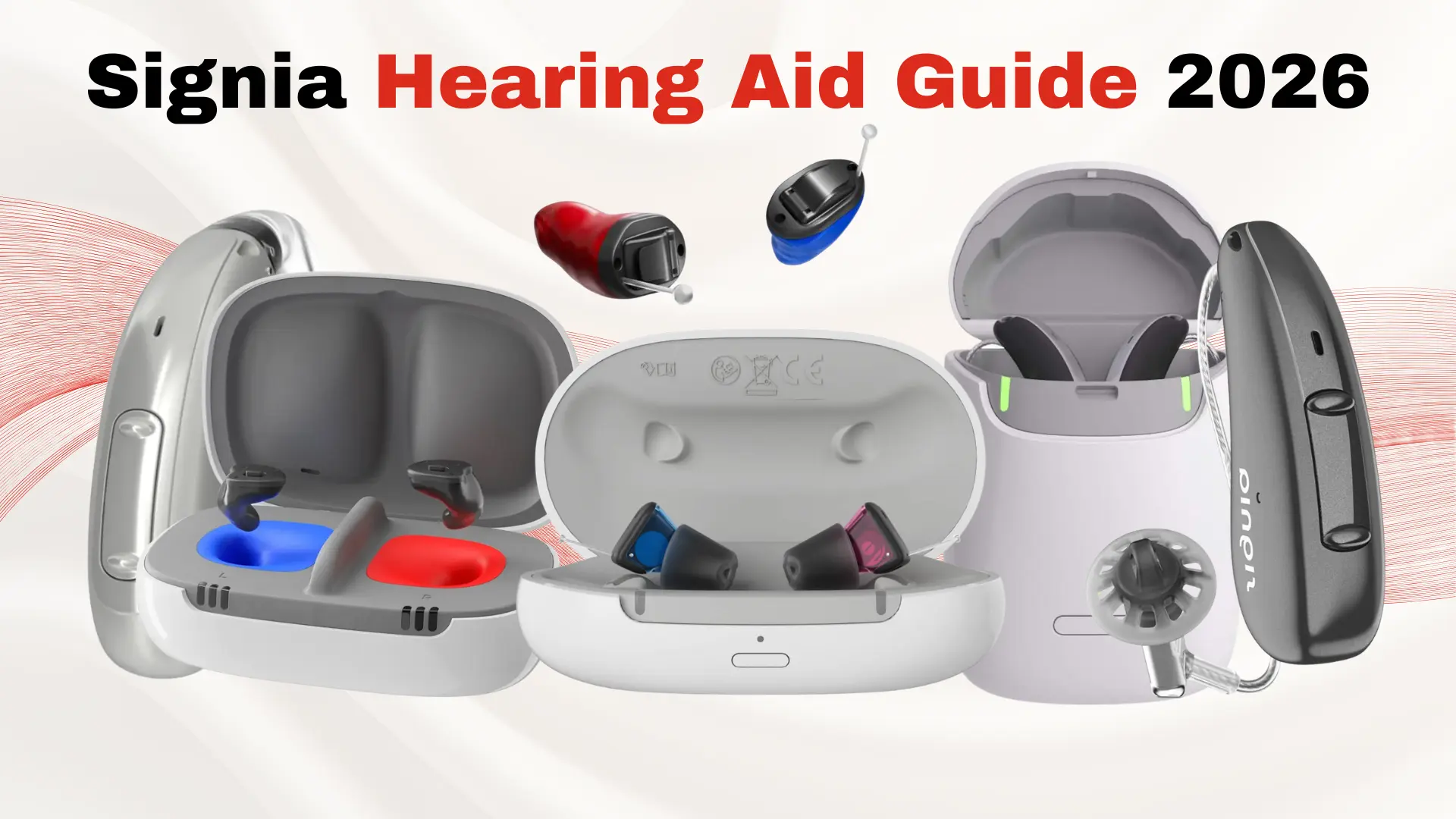
There are options that can be hidden, as well as powerful devices that sit behind the ear. The choices for hearing aids keep growing as technology improves. Today’s hearing aids have cool features like Bluetooth and rechargeable batteries. These offer ease and work well with today’s devices.
1. Behind the Ear (BTE)
BTE hearing aids sit behind the ear and are well-liked because they are dependable. They work well for different levels of hearing loss, making sounds louder. The aid has a case that rests behind the ear and is connected to a special earmold that fits in the ear canal. BTE devices are flexible and can have extra features, like directional microphones. This helps people focus on certain sounds even when there is background noise. They are often suggested for anyone with mild to profound hearing loss, as they provide both power and flexibility.
2. Completely in the Canal (CIC)
Completely-in-the-canal (CIC) hearing aids are small devices that fit deep inside the ear canal. This makes them nearly impossible to see. These aids work well for mild to moderate hearing loss. They use the natural shape of the ear to send sound effectively. The microphone is close to the eardrum, which helps give a more natural sound. Because they are so discreet, many users like CIC aids. They want a subtle solution that still offers good performance.
3. Receiver-in-Canal (RIC)
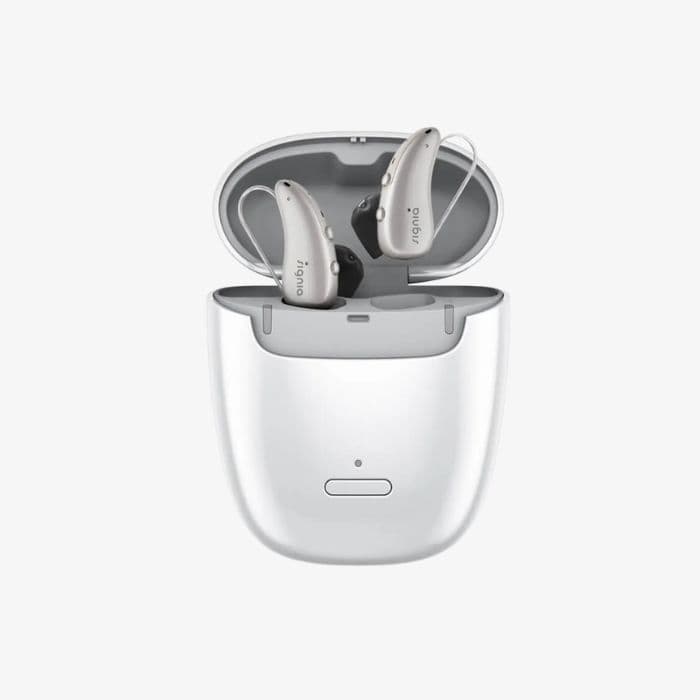
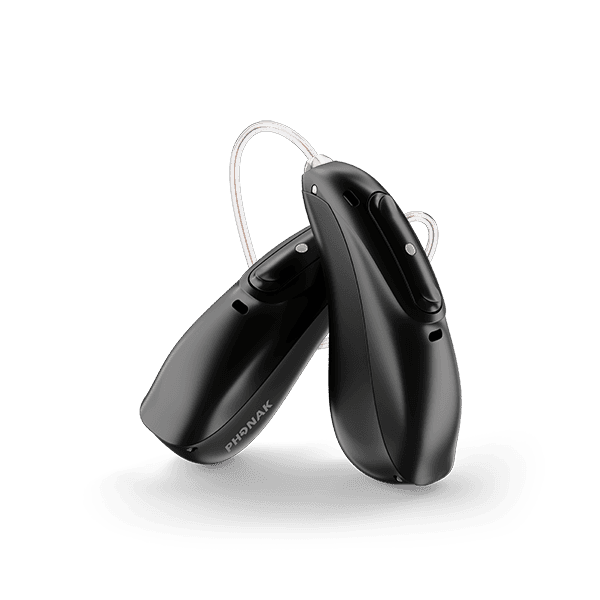
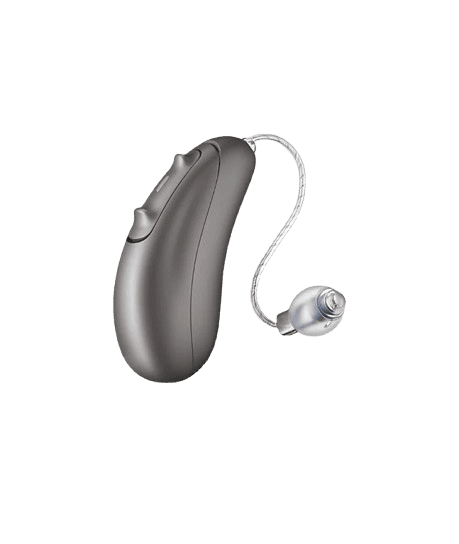
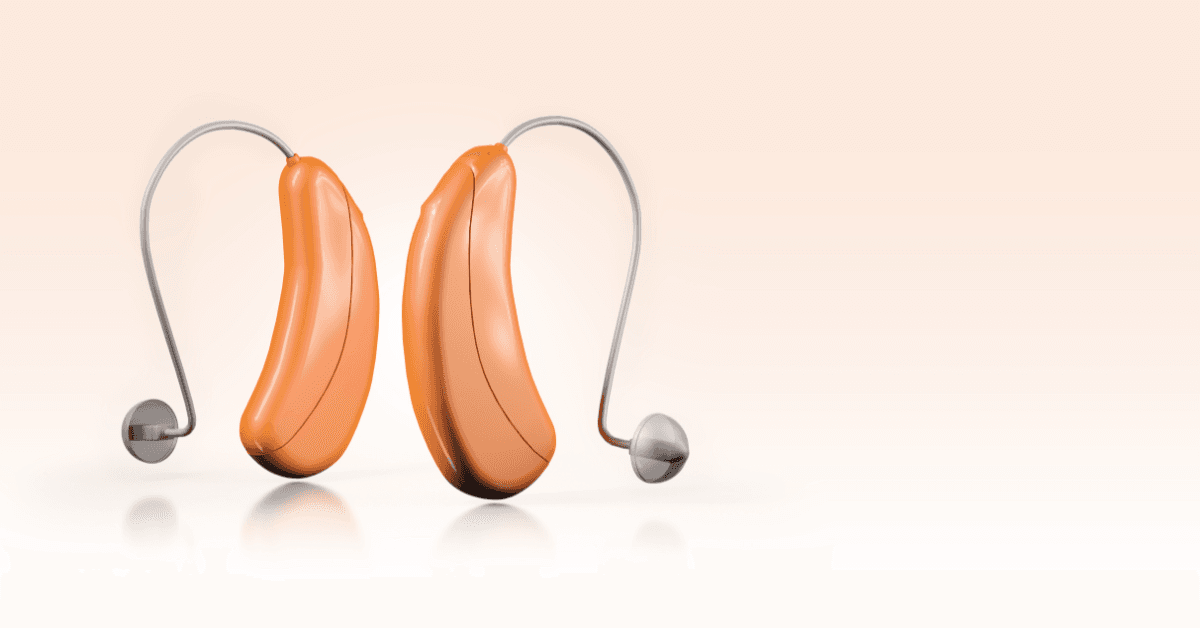
RIC hearing aids are a popular choice because they provide a natural sound experience. They have a small case that sits behind the ear, with a thin wire connecting it to a speaker inside the ear canal. This design makes them more discreet and comfortable than traditional BTE models. RIC devices offer clear sound quality and are suitable for mild to severe hearing loss. Many models include advanced features like noise reduction and wireless connectivity, making them ideal for an active lifestyle.
4. Invisible-in-Canal (IIC)
IIC hearing aids are designed to be virtually invisible, sitting deep inside the ear canal. They provide a discreet option for users who prioritize aesthetics. Because they fit deeper in the ear, they use the natural shape of the ear to amplify sound. IIC hearing aids are best suited for mild to moderate hearing loss. They typically lack manual controls due to their small size, but they offer clear sound and a natural listening experience.
5. In-the-Canal (ITC)
ITC hearing aids fit partially in the ear canal, making them less visible than larger models. They provide a balance between discretion and functionality, with enough space for features like volume control and directional microphones. ITC devices are a great choice for individuals with mild to moderate hearing loss. Their design allows for better sound quality, and some models support wireless connectivity, enhancing the user experience.
6. Digital Hearing Aids
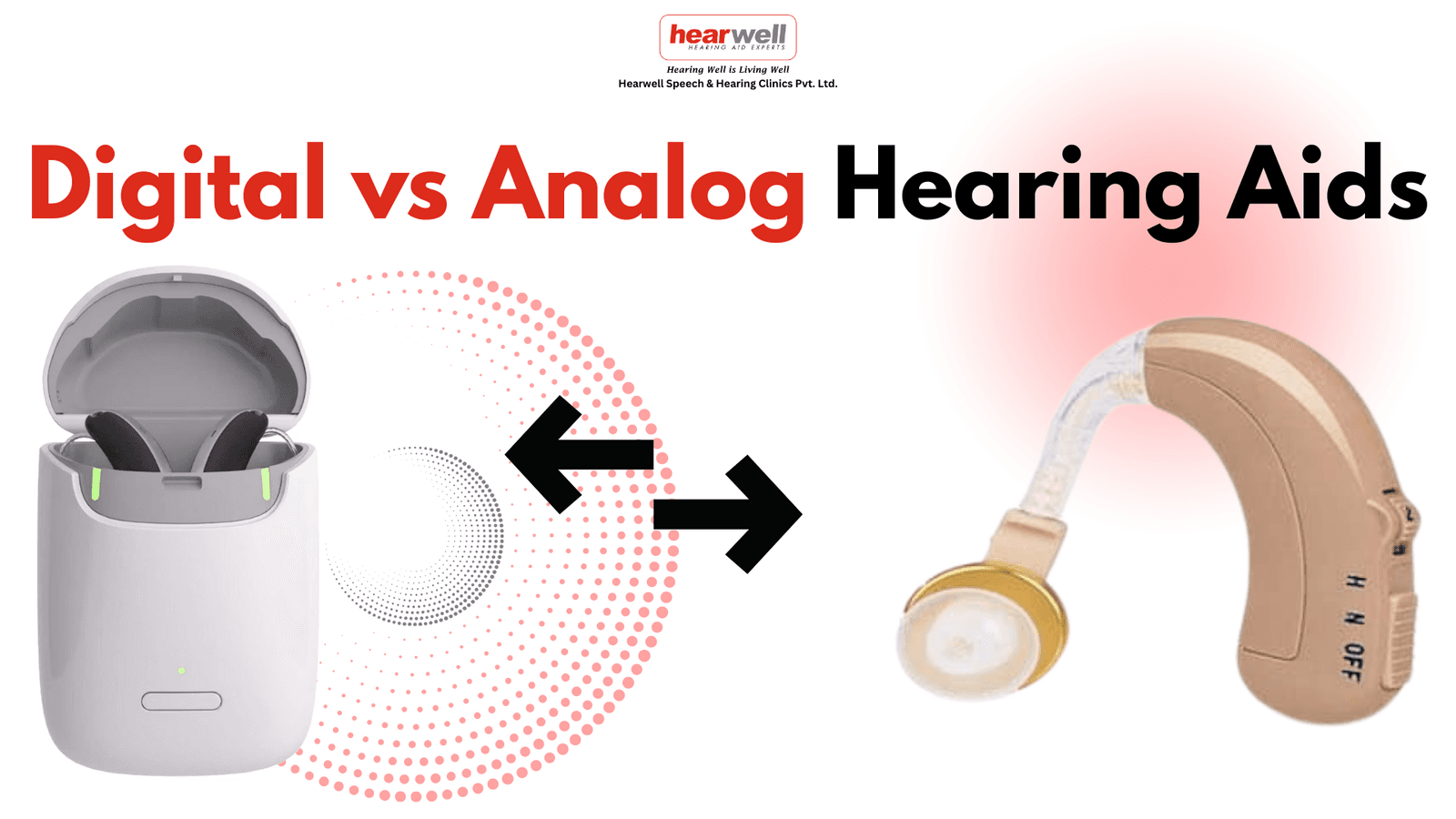
Digital hearing aids use advanced processing technology to deliver clearer and more customized sound. They analyze incoming sound, filter out background noise, and enhance speech clarity. Digital models can be programmed to match a user’s specific hearing needs, offering a more personalized experience. These devices also support features like Bluetooth connectivity, rechargeability, and adaptive sound processing.
7. Rechargeable Hearing Aids
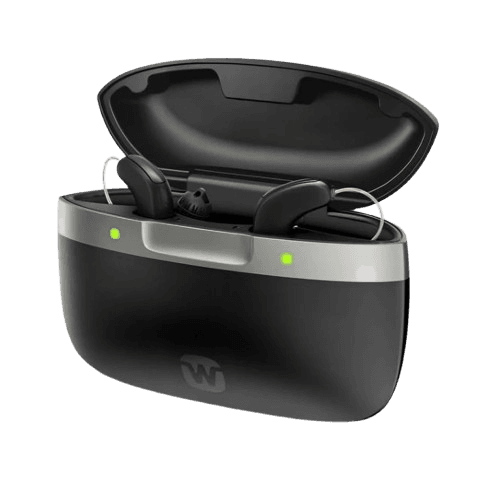
Rechargeable hearing aids eliminate the need for disposable batteries, offering convenience and cost savings. They use built-in lithium-ion or silver-zinc batteries that provide a full day of use on a single charge. Many models come with portable charging cases, allowing users to recharge on the go. Rechargeable hearing aids are environmentally friendly and ideal for people with dexterity issues, as they remove the hassle of changing small batteries.
8. Waterproof Hearing Aids
Waterproof hearing aids are designed to withstand moisture, making them ideal for people with active lifestyles. They are built with special seals and coatings to protect against water, sweat, and humidity. These devices are perfect for individuals who engage in outdoor activities or live in humid environments. While they cannot be fully submerged for long periods, they provide added durability and reliability in wet conditions.
9. Bluetooth Hearing Aids
Bluetooth hearing aids offer seamless wireless connectivity with smartphones, tablets, and other devices. They allow users to stream phone calls, music, and TV audio directly into their ears. Bluetooth technology improves convenience and enhances the listening experience, especially in noisy environments. Many models also come with companion apps for adjusting settings and personalizing sound preferences.
Which Hearing Aids are Best for Tinnitus?
Tinnitus is when you hear ringing or sounds in your ears or head. Certain types of hearing aids can help manage this condition. Hearing aids with sound generators or masking features create soothing background noise. This can take your mind off the ringing and give you relief.
Hearing aids with good noise reduction are also very helpful for people with tinnitus. They can reduce annoying sounds in your environment that make the tinnitus worse. This improves your overall listening experience.
Hearing aids with an induction loop, or telecoil, offer a great advantage too. They work well in places with loop systems, like theaters and auditoriums.
Choosing the Right Hearing Aid
Choosing the right hearing aid is a personal choice. It should be based on many factors, like how serious the hearing loss is, lifestyle, budget, and appearance.
It’s important to talk to a skilled audiologist. They can assess your hearing needs and give advice on different hearing aid options. An audiologist can help find the best device that fits your lifestyle, budget, and the latest technology. This teamwork helps you get hearing aids that are perfect for you.
Factors to Consider
When you start to choose a hearing aid, there are important things to think about. First, the degree of hearing loss is key. Different hearing aids help with different levels of hearing loss, from mild to severe.
Next, the cost of the hearing aid is crucial too. Prices can change a lot based on the type, technology, and extra features. Keep in mind that private insurance often does not cover much for hearing aids. It’s good to look at your options and know the out-of-pocket costs to make smart choices.
Lastly, talking to trusted healthcare experts can really help. Hearing from an ear, nose, and throat (ENT) doctor or an audiologist is very useful.
How to Choose the Right Hearing Aid?
Choosing the right hearing aid can greatly improve your life. First, schedule a complete hearing test with a qualified audiologist. This important step helps you understand the type and level of your hearing loss. It will guide you in choosing the right device.
Think about these factors when making your choice:
- Lifestyle: If you are active, you might need a hearing aid that is more durable and can resist moisture.
- Features: Look into new technology for hearing aids, such as Bluetooth, noise reduction, and rechargeable batteries. Pick the features that match your communication needs and preferences.
- Budget: Set a realistic budget early. Consider not just the cost of the hearing aid, but also future expenses for batteries, maintenance, and adjustments.
Choosing medical devices like hearing aids is a personal journey. Take your time to compare different models. It’s okay to ask your audiologist for a trial period so you can try the device before you decide to buy it.
Hearing Aids in India
The accessibility and affordability of hearing aids in India have gotten much better in recent years. More people are becoming aware of hearing health, thanks to technology improvements. The Indian government and many non-profit groups have started programs to help people pay for hearing aids.
Several hospitals and clinics in India focus on hearing care. They provide hearing tests, fit hearing aids, and offer support services. Big global hearing aid brands are also available in India. This gives consumers a wide choice of hearing aid options.
Cost of Hearing Aids in India
The price of hearing aids in India can change based on the style, features, and brand. Some basic hearing aids cost a few thousand rupees. In contrast, more advanced digital hearing aids with extra features can cost one lakh or even more.
There is financial help for hearing aids through many government programs and charities. This makes them easier to get for people with little money. Organizations like the National Institute for the Empowerment of Persons with Multiple Disabilities (NIEPMD) and the Ali Yavar Jung National Institute for the Hearing Handicapped (AYJNIHH) provide subsidies and support for buying hearing aids.
Additionally, many private hospitals and clinics offer payment plans and financing to help with costs for those needing hearing aids. This variety of options means that good hearing care is becoming easier for more people in India to access.
Top Most or Best Brands for Hearing Aids
With numerous hearing aid brands available in the market, individuals may find it challenging to navigate the options and choose the best one for their needs. While the American Academy of Otolaryngology highlights the significance of professional fitting and personalized selection, some of the best brands for hearing aids include:
- Phonak
- Signia (formerly Siemens)
- Widex
- Oticon
- ReSound
These reputable companies offer a wide variety of hearing aid styles, including advanced features like Bluetooth connectivity and noise reduction.

Ultimately, the choice of the best hearing aid brand depends on individual needs, preferences, and professional recommendations. A hearing aid user must consult with an audiologist to determine which brand aligns best with their hearing loss, lifestyle, and budget.
Maximizing Your Hearing Aid Experience
To get the best experience from your hearing aids, you need to adjust them properly, use them often, and take good care of them. At first, it might feel strange as new sounds can seem too loud. But don’t worry; if you keep using them, your brain will get used to it. Soon, you will really notice how much better you can hear.
It is also important to make a regular routine for caring for your hearing aids. Clean them often, keep them safe from water and extreme temperatures, and visit your audiologist for checkups. This will help them work well and last longer.
Adjusting to Your New Hearing Aid
Adjusting to a new hearing aid takes time and effort. It is important to be patient with yourself and your device. Your brain needs time to get used to sounds you might not have heard clearly for a long time. Start by wearing your hearing aid in quiet places, like at home. Slowly, you can wear it for longer and in more complex sound environments.
Try to listen to conversations with people you know well in calm places. As you feel more comfortable with your hearing aids, gradually move on to tougher listening situations, like restaurants or social events.
If you find it hard to adjust, feel free to contact your audiologist. They can help set the device correctly, give advice, and solve any problems you might have. Remember that getting used to a new hearing aid is a journey. Being consistent will help you enjoy all the benefits it can bring.
Care and Maintenance Tips
Proper care and maintenance of your hearing aids are important. This helps them last longer and keeps sound quality high. These small electronic components need regular care to work well.
Start with a cleaning routine for your hearing aids. Use a soft, dry cloth to gently wipe away any earwax, dirt, or moisture that builds up.
Always handle your hearing aids with clean hands. Keep them away from extreme heat, moisture, or strong chemicals. These can harm the electronic parts or affect how they work. Store your hearing aids in a cool, dry place, like a dehumidifier or a special drying box. This will help them last longer.
Also, don’t forget to go for regular check-ups with your audiologist. They can clean your hearing aids, look for any problems, and make needed adjustments. This will help you enjoy better hearing over time.
Conclusion
In conclusion, knowing the details about hearing aids can really improve how you hear. There are different types to choose from, and making the right choice is important to get the most out of them. By doing the right adjustments, keeping them maintained, and checking out good brands, you can use them well. In India, you can find many hearing aid options, so think about things like price and brand trust. Use this technology to enhance your life and connect better with the world. If you have more questions or want a free trial, contact us for expert help.
Stay connected with us for more expert insights on hearing health! Engage with us on social media for breaking updates, helpful hints, and limited-access material. Don’t miss out—bookmark our site and be part of a community that values better hearing every day!