Which Hearing Aids Are Best? The Ultimate Guide for First-Time Users in India
If you’ve recently started struggling with hearing, you might be asking yourself a very common but critical question — “Which hearing aids are best and how do I choose one that actually works for me?”
The good news is that you’re not alone. Hearing loss affects over 63 million people in India and choosing the right device can completely transform the way you live, work and enjoy time with family.
This guide is written to help you make a smart, confident and well-informed decision. It’s not just about buying a hearing aid — it’s about understanding which one fits your lifestyle, your type of hearing loss and your budget. Everything in this blog is based on research, clinical guidelines and real experiences shared by top Indian audiologists.
Why Choosing the Best Hearing Aids Matters
At first glance, all hearing aids may look alike — but they actually perform very differently.
The Best Hearing Aids are designed to enhance speech clarity, reduce background noise, protect your brain from sound deprivation, and make sure you don’t miss important sounds around you.
Ignoring even mild hearing loss can lead to faster deterioration of cognitive functions. A study published in the Lancet Commission on Dementia identified hearing loss as one of the largest known potentially modifiable risk factors for dementia, accounting for 8–9% of dementia risk .
First – Understand YOUR Hearing Loss

Before you even compare devices, the smartest thing you can do is get a pure tone audiometry test and speech discrimination test done by a certified audiologist. These tests show:
- The intensity level of your hearing problem — ranging from mild and moderate to severe or profound
- The medically verified type of hearing loss you have, such as sensorineural, conductive or hybrid
- Your speech understanding ability
Once you know this, you’ll instantly be able to narrow down which category of hearing devices is really suitable for you.
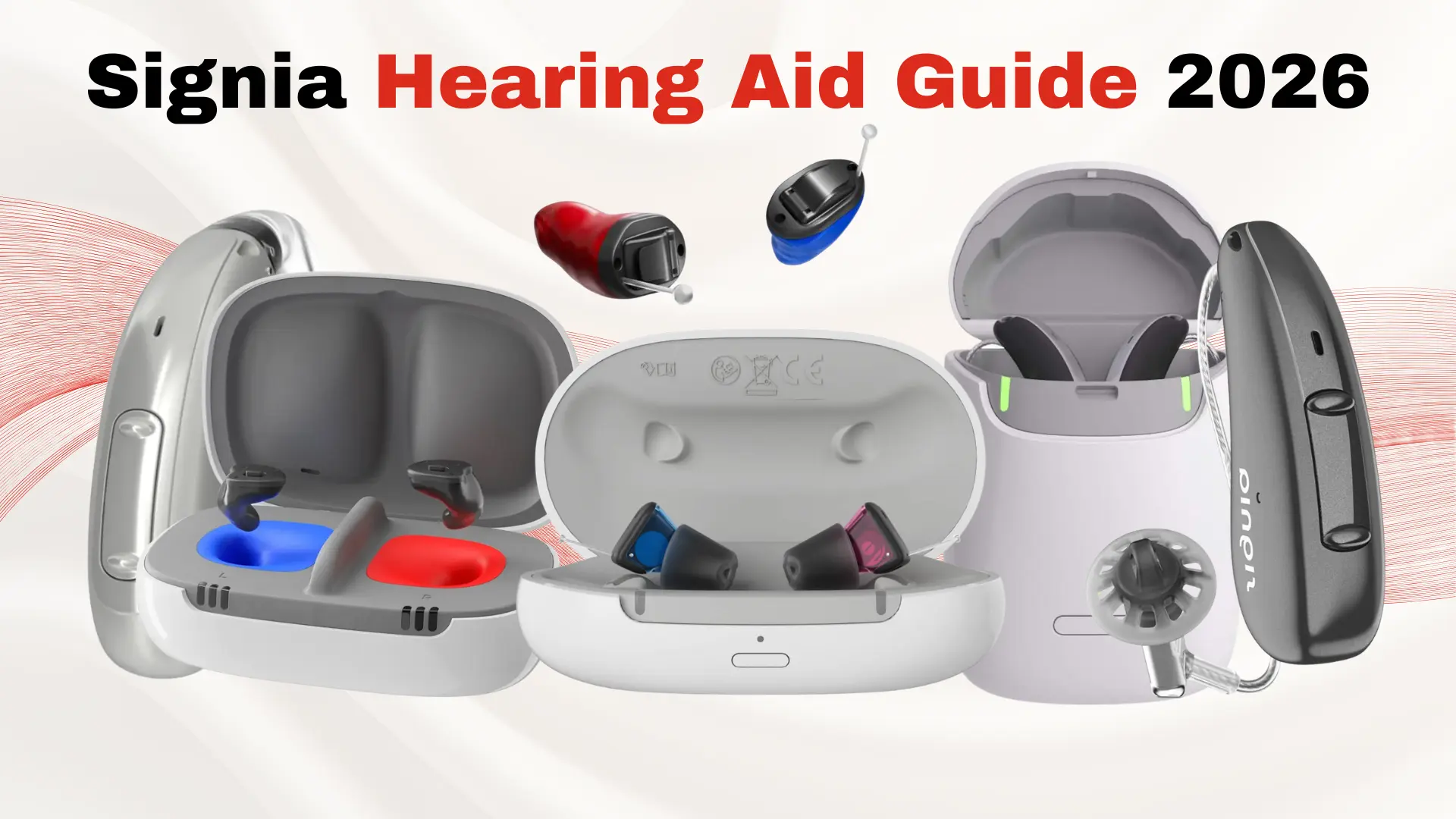
Types of Hearing Aids (And Which One You Should Pick)

Behind-the-Ear (BTE)
- Fits behind your ear, connected to a mould.
- Ideal for moderate to profound hearing loss.
- Very reliable and long-lasting.
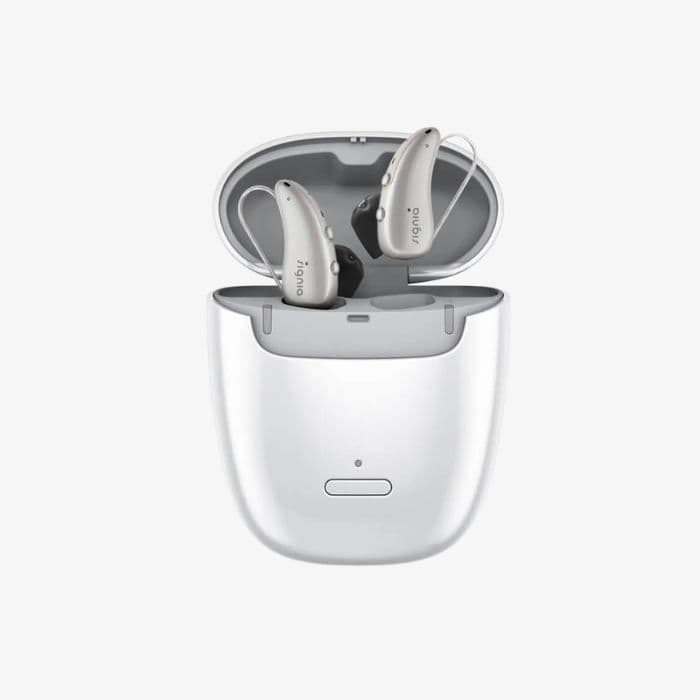
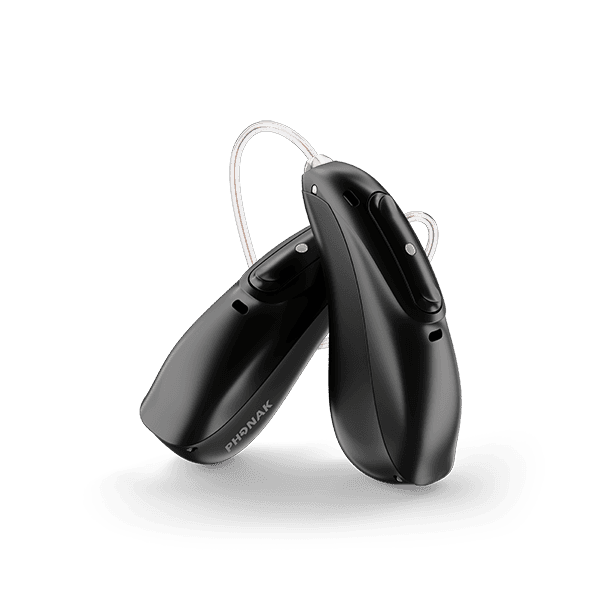
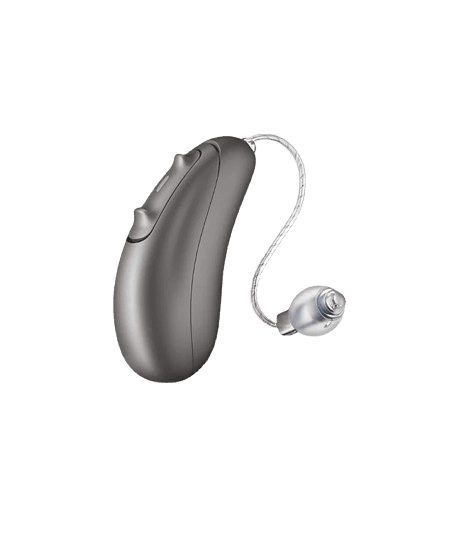
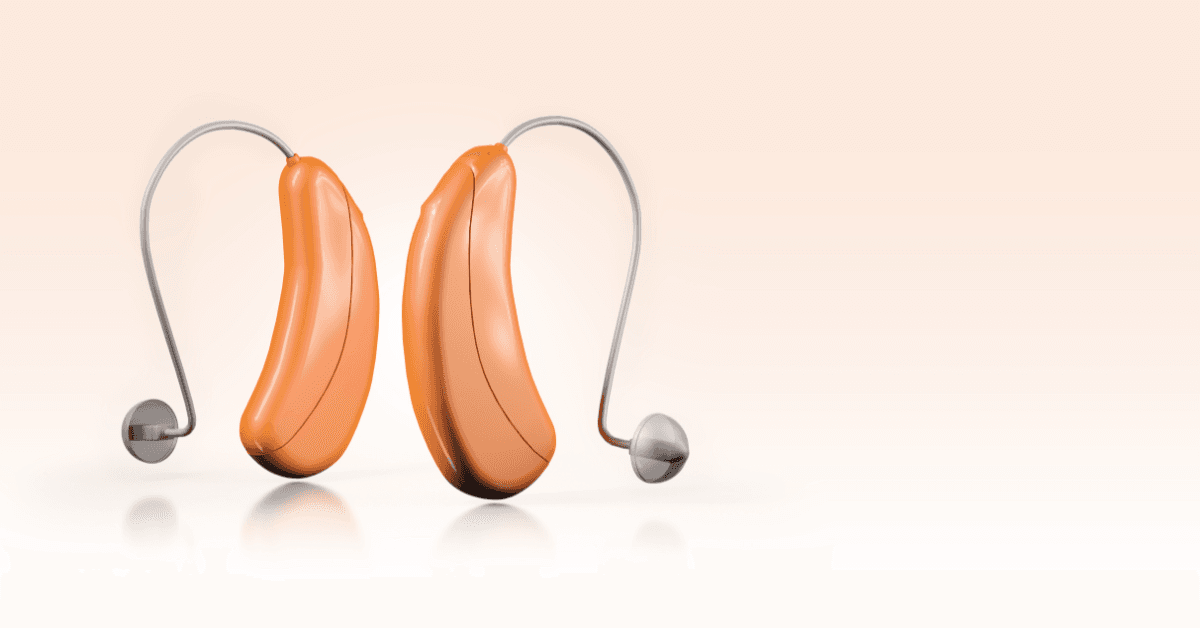
Receiver-in-Canal (RIC)
- A thin wire goes into the ear canal.
- The Best Hearing Aids for people with busy lifestyles or who need clarity in noisy environments.
- Very popular in India right now.
In-the-Ear (ITE), ITC, CIC & IIC
- Custom-made and sit inside the ear.
- Great if you want a discreet look.
- Perfect for mild to moderate hearing loss.
- However, they need meticulous fitting.
Which One Should You Choose?
| Lifestyle | Recommended Style |
| Mostly indoor / calm environment | BTE / ITE |
| Active / Meets Many People / Drives a lot | RIC |
| Wants maximum cosmetic invisibility | IIC / CIC |
| Elderly with dexterity issues | BTE |
(Remember — even the Best Hearing Aids won’t perform well if they don’t match your lifestyle.) *
Key Features That Make the Best Hearing Aids Truly Effective

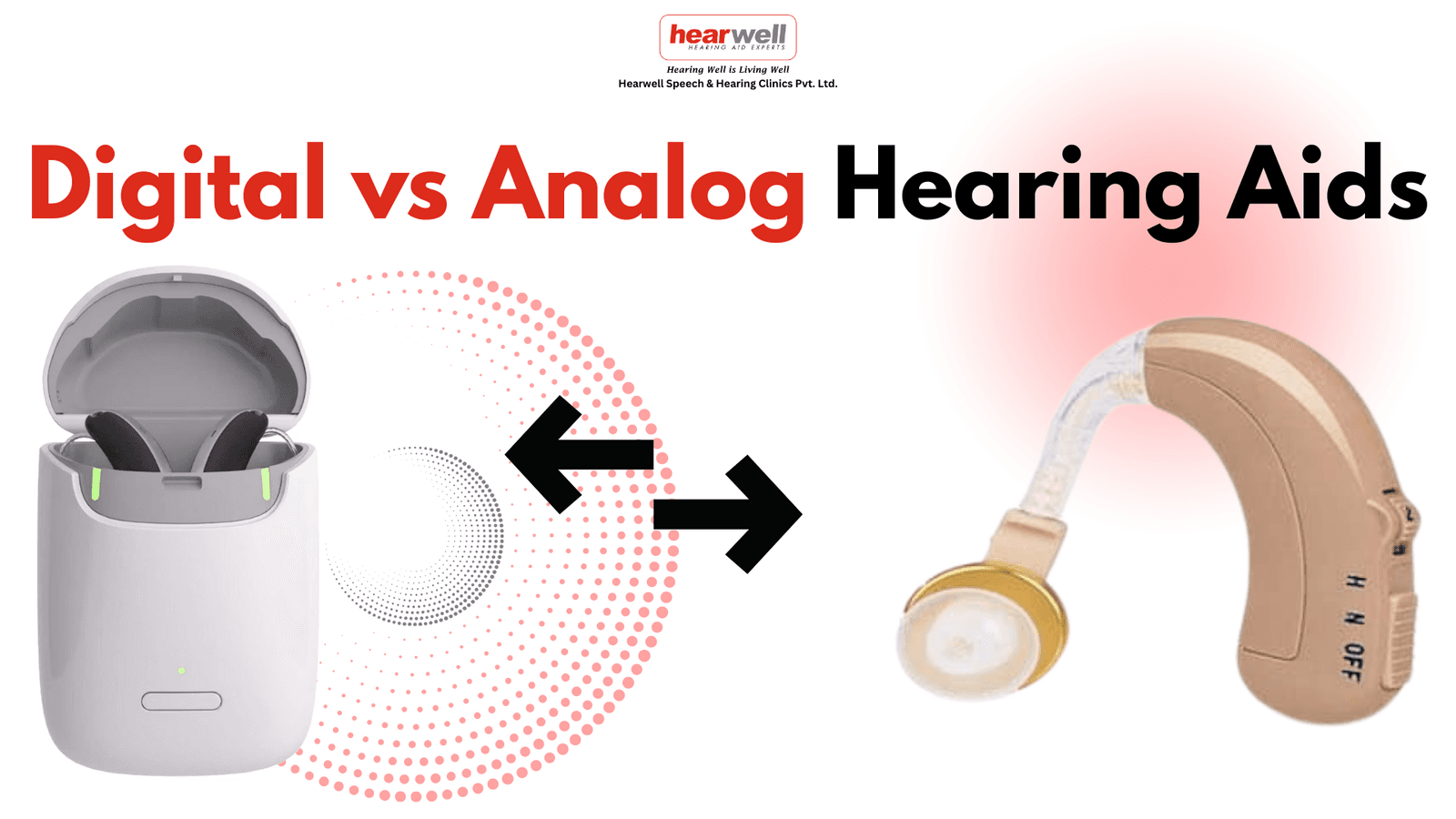
- ➤ Digital Sound Processing
Automatically separates speech from noise.
Clinical data shows up to 35–40% higher speech clarity in noisy environments with digital processing. - ➤ Directional Microphones
Focuses on the person speaking directly to you and suppresses other sounds. - ➤ Feedback Cancellation
Removes those awkward feedback sounds so you can participate in gatherings without discomfort. - ➤ Bluetooth Connectivity
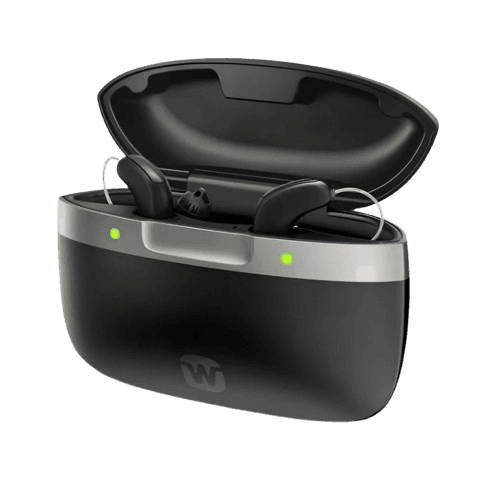
Lets you stream phone calls, music or TV audio directly into the hearing aid. - ➤ Rechargeable Batteries
No need to replace batteries every week — most modern Best Hearing Aids last up to 18–20 hours on a single charge.
Breakdown of the Typical Price Range for Top Hearing Aid Brands in the Indian Market
| Brand | Approx. Price Range (₹) |
| Signia | ₹28,000 – ₹3,50,000 |
| Phonak | ₹30,000 – ₹3,20,000 |
| Widex | ₹35,000 – ₹3,00,000 |
| ReSound | ₹30,000 – ₹3,10,000 |
| Oticon | ₹40,000 – ₹3,50,000 |
| Unitron | ₹30,000 – ₹2,50,000 |
Reminder: A higher price doesn’t automatically guarantee the best results. The Best Hearing Aids are the ones customized and programmed according to your test results — not just the highest priced model.
What Audiologists Recommend (Step-By-Step Plan)

- Step 1: Get a complete hearing evaluation
No shortcut here – the best hearing aid for you depends 100% on your audiogram. - Step 2: Discuss your daily lifestyle with the audiologist
Example scenarios include noisy bazaars, workplace discussions, spiritual gatherings, TV viewing, phone conversations, travelling and family time. - Step 3: Shortlist suitable devices from trusted brands
(Preferably opting for reputable names like Signia, Phonak, Widex, ReSound, Oticon or Unitron.) - Step 4: Take a real-life trial
Always insist on a trial. Studies by ENT-HNS India show that trial users are 53% more satisfied and 48% more likely to continue long-term use. - Step 5: Get it professionally programmed and adjusted over time
Never skip follow-ups. Even 2–3 simple fine-tunings can dramatically improve how clearly you hear.
Common Mistakes People Make (And You Should Avoid)
| Mistake | Why It’s Harmful |
| Buying online without consultation | May not match your hearing profile |
| Picking based on price only | Doesn’t guarantee speech clarity |
| Not doing follow-up programming | Reduces effectiveness of even the Best Hearing Aids |
Research by AIIMS clearly demonstrates that failing to address mild hearing loss may cause the condition to worsen faster.
Backed by Research: Why the Best Hearing Aids Improve Brain Health Too
Recent research published in the Lancet highlights hearing loss as one of the top modifiable risk factors for dementia.
When you start using professionally fitted hearing aids:
- The mental links that help you recognise and understand speech start to strengthen again
- Cognitive functions improve
- Social confidence returns
- Feelings of isolation reduce
That’s why a growing number of neurologists in India now actively refer patients for hearing screenings.
Maintenance Tips – How to Make Your Hearing Aids Last Longer
- Clean them every night with a dry cloth
- Store them in a dry box (especially during humid Indian summers)
- Keep away from hair oil or cosmetics
- Replace domes or ear tips whenever they become hard
- Get reprogrammed once every 6–12 months
Even the Best Hearing Aids need proper care to perform at their highest level.
Final Words: So, Which Hearing Aids Are Really Best for You?
The honest answer is: The Best Hearing Aids are the ones
- that match your hearing loss,
- fit your lifestyle,
- are clinically proven, and
- are properly fitted by a professional audiologist.
Don’t fall for “one-size-fits-all” devices.
Take your time, ask questions, do a trial, and always choose a trusted brand that offers post-purchase support.
For more expert-backed information on hearing aids, hearing loss and treatment options, keep visiting our website regularly. And don’t forget to follow us on social media for daily tips and updates!